
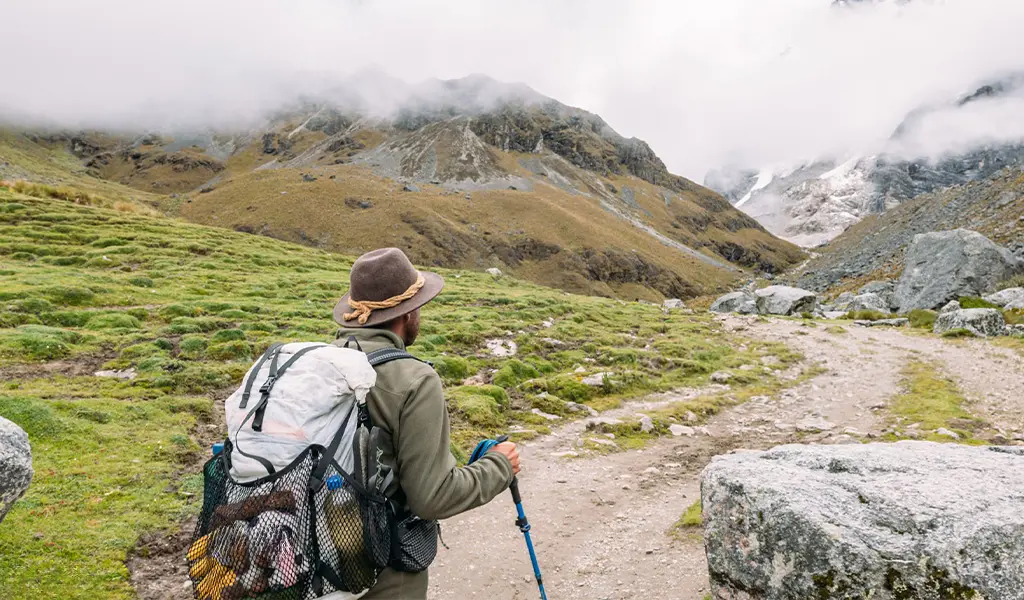
For travelers seeking dramatic landscapes, ancient trails, high mountain passes, wildlife encounters, and living cultures, Peru adventure travel offers one of the most diverse outdoor experiences in the world.
Few destinations combine snow-capped peaks, cloud forests, deep canyons, high-altitude lakes, deserts, and Amazon rainforest within a single journey. Travelers can spend one week trekking through the Andes, another exploring the jungle, and still have time to discover archaeological sites and traditional communities.
Adventure travel in Peru appeals to hikers, photographers, nature enthusiasts, wildlife lovers, and active travelers looking for meaningful experiences rather than conventional sightseeing. Whether you dream of walking ancient Inca roads, crossing mountain passes, navigating Amazon rivers, or exploring remote valleys, Peru delivers extraordinary variety.
This guide covers the country’s most important trekking regions, outdoor destinations, planning considerations, altitude issues, transportation realities, and practical travel advice to help you organize a memorable active journey.
Why Peru Is One of the World’s Great Adventure Destinations

Several factors make Peru exceptional for active travelers:
- Extraordinary geographic diversity.
- Ancient trail networks.
- Indigenous cultural traditions.
- Protected natural areas.
- Significant biodiversity.
- Multiple trekking regions.
- Opportunities for both independent and guided travel.
From the Pacific coast to the Amazon Basin, Peru contains ecosystems rarely found within one country. This diversity allows travelers to experience mountains, cloud forests, jungle environments, and archaeological landscapes during a single trip.
The Major Adventure Regions of Peru
Cusco and the Southern Andes
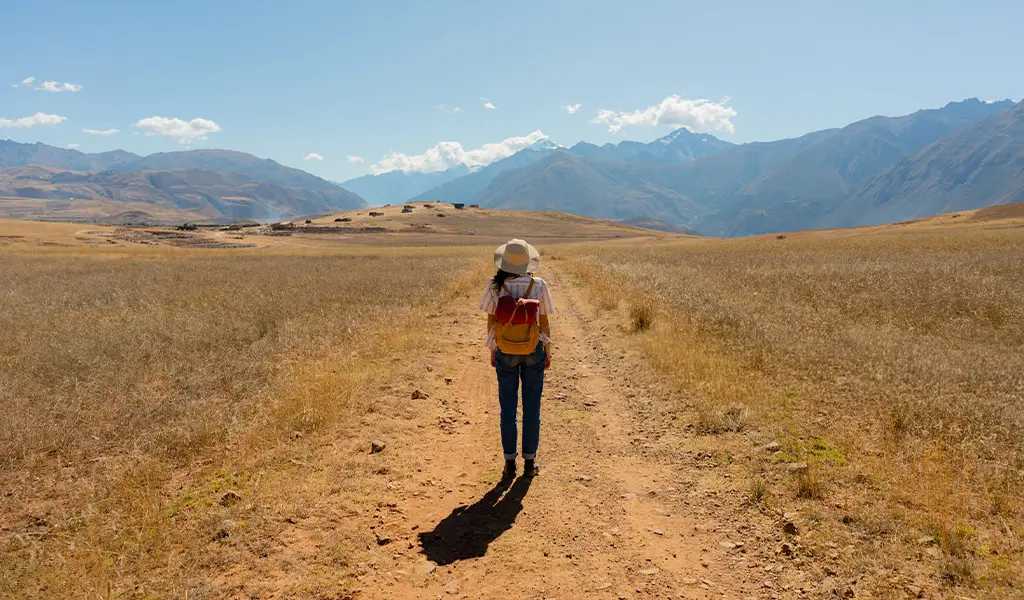
Cusco remains the country’s premier hub for outdoor travel. The city provides access to several of Peru’s most famous trekking and hiking experiences.
Visitors frequently combine cultural exploration with hiking, mountain excursions, and archaeological sites. Many travelers researching things to do in Cusco eventually discover the surrounding valleys, mountains, and trekking routes that make the region famous.
The Sacred Valley also serves as an ideal acclimatization area before undertaking more demanding adventures.
The Cordillera Blanca
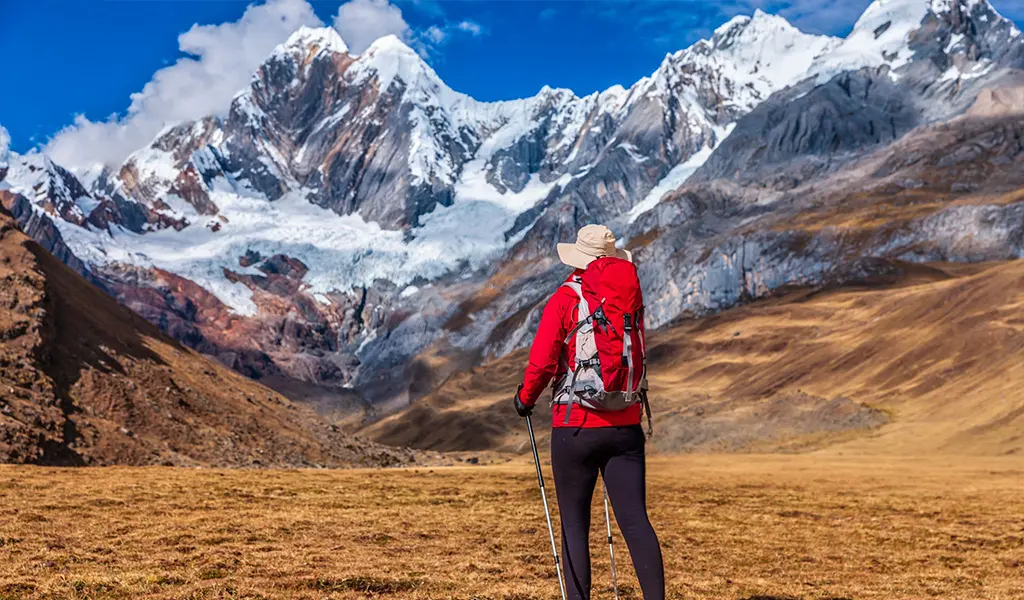
The Cordillera Blanca in northern Peru is among South America’s premier mountain regions.
Known for glaciated peaks, alpine lakes, and spectacular valleys, this region attracts experienced hikers and mountaineers from around the world.
Cordillera Blanca trekking opportunities range from day hikes to multi-day expeditions through remote mountain landscapes.
The city of Huaraz serves as the principal gateway for these adventures.
The Amazon Basin

Eastern Peru contains extensive rainforest regions that offer an entirely different kind of adventure.
Travelers interested in Amazon Peru tours can explore jungle lodges, river systems, wildlife habitats, and protected reserves.
Popular gateways include Puerto Maldonado and Iquitos, where visitors experience rainforest ecosystems, birdlife, and river expeditions.
Colca Canyon

Southern Peru offers remarkable canyon landscapes.
The Colca Canyon trek attracts hikers interested in dramatic scenery, traditional villages, and Andean culture.
This region can also be combined with Arequipa and other southern destinations.
The Best Trekking Routes in Peru
The Inca Trail

The Inca Trail remains one of the world’s most recognizable trekking experiences.
This historic route follows ancient pathways through mountain scenery, archaeological sites, and cloud forest landscapes before arriving near Machu Picchu.
Many travelers researching Inca Trail treks to Machu Picchu seek information about trail conditions, permits, difficulty levels, and booking requirements.
The route combines natural scenery with cultural significance, making it one of Peru’s most iconic experiences.
Salkantay Trek

The Salkantay Trek offers an alternative route to Machu Picchu through diverse landscapes.
Trekkers encounter mountain passes, glaciers, valleys, and changing ecosystems.
This route appeals to travelers seeking a more rugged trekking experience while still reaching the famous citadel.
Lares Trek
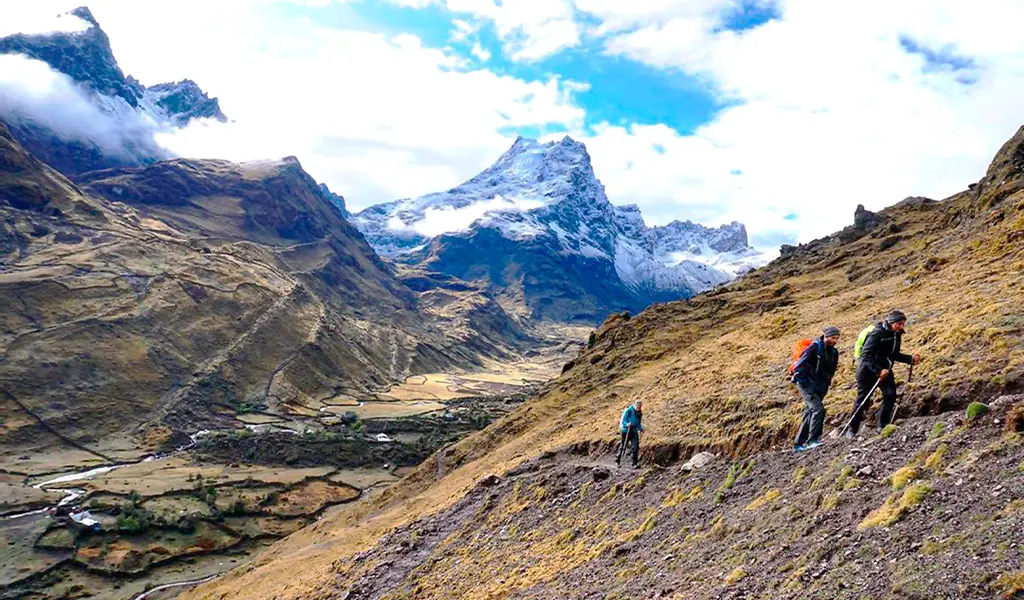
The Lares region provides cultural immersion alongside mountain hiking.
Traditional communities, weaving traditions, and rural landscapes make this trek particularly attractive for travelers interested in local culture.
Ausangate Trek

The Ausangate area contains some of Peru’s most dramatic mountain scenery.
Remote landscapes, high-altitude lakes, and traditional pastoral communities characterize this region.
These routes generally appeal to experienced hikers.
Day Hikes and Short Adventures
Rainbow Mountain
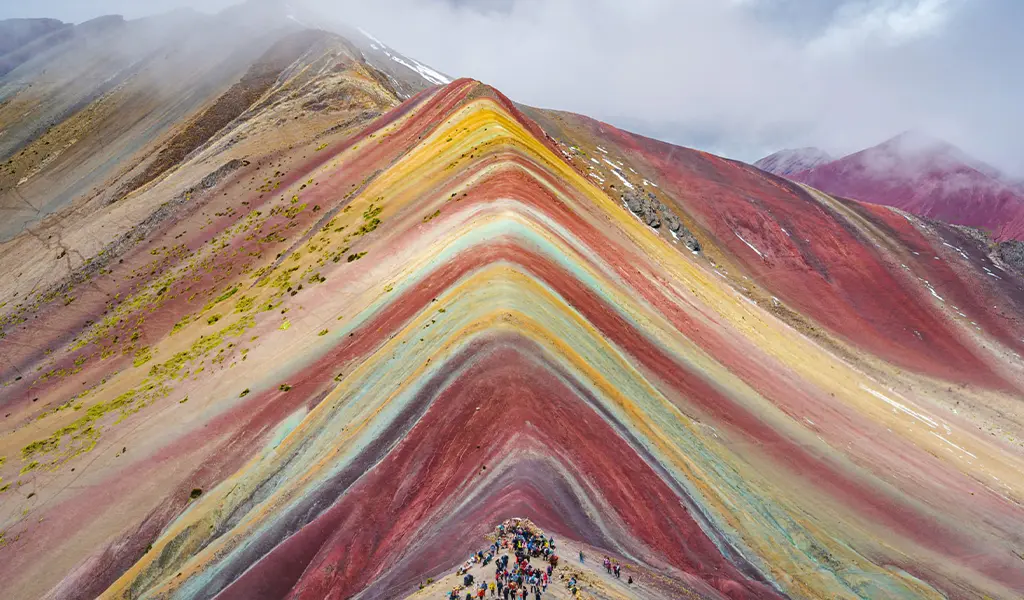
Rainbow Mountain has become one of Peru’s most recognizable hiking destinations.
The colorful mineral formations and high Andean landscapes attract visitors from around the world.
Because of its elevation, travelers should consider acclimatization before attempting the hike.
Humantay Lake

Humantay Lake offers one of the country’s most photographed landscapes.
The turquoise lake beneath snow-covered peaks creates an unforgettable setting.
This hike is commonly included in Cusco adventure tours.
Sacred Valley Hiking
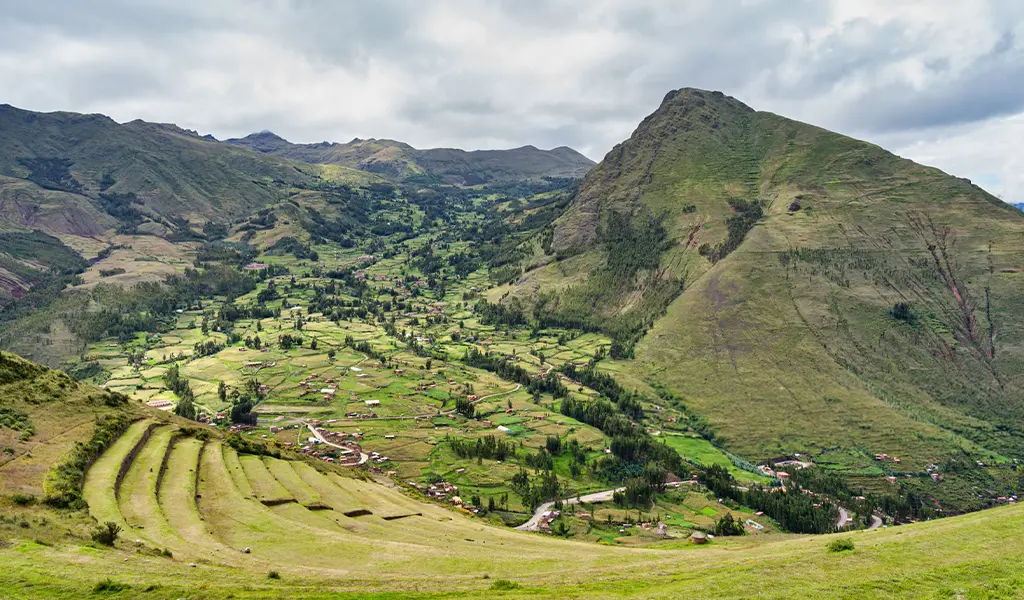
The Sacred Valley contains numerous walking routes, archaeological sites, and rural communities.
Hiking opportunities include:
- Pisac area trails
- Maras and Moray region walks
- Mountain viewpoints
- Agricultural terraces
Adventure Activities Beyond Trekking
Rafting
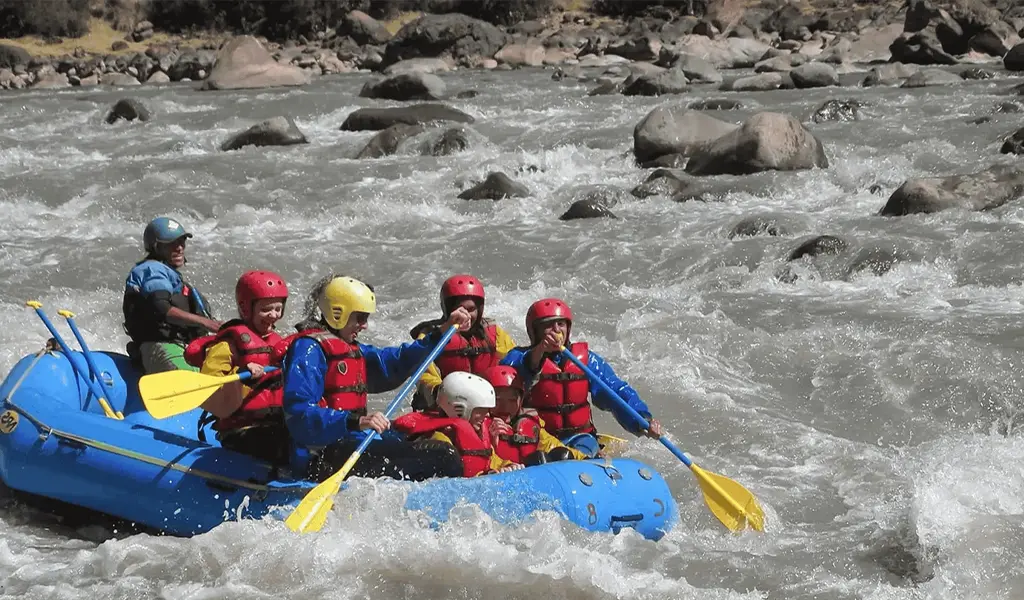
The Andes provide several river systems suitable for outdoor activities.
Travelers looking for rafting adventures often find opportunities near Cusco and other regions.
These activities are frequently included within broader adventure itineraries.
Mountain Biking

Several destinations offer cycling routes through valleys, rural communities, and mountain landscapes.
Biking excursions can complement trekking itineraries.
Wildlife Observation

Amazon regions provide opportunities to observe:
- Birds
- Primates
- River species
- Tropical ecosystems
Nature travelers interested in Peru nature travel often combine rainforest experiences with mountain adventures.
Altitude Considerations
Altitude represents one of the most important planning considerations for active travel in Peru.
Higher elevations can affect travelers regardless of age or fitness level.
Recommendations include:
- Allow time for acclimatization.
- Stay hydrated.
- Avoid rushing itineraries.
- Schedule demanding hikes after arrival.
- Listen to your body.
Destinations around Cusco and the Sacred Valley often provide good opportunities for gradual adaptation.
Best Time for Adventure Travel in Peru
Seasonality varies considerably across the country.
Mountain conditions, Amazon rainfall patterns, and regional climates differ according to location.
Travelers researching the best time to visit Peru should consider the specific activities and destinations included in their itinerary rather than focusing on one national season.
The Andes, Amazon, and coastal regions each experience different conditions throughout the year.
Peru Eco Tourism and Responsible Travel
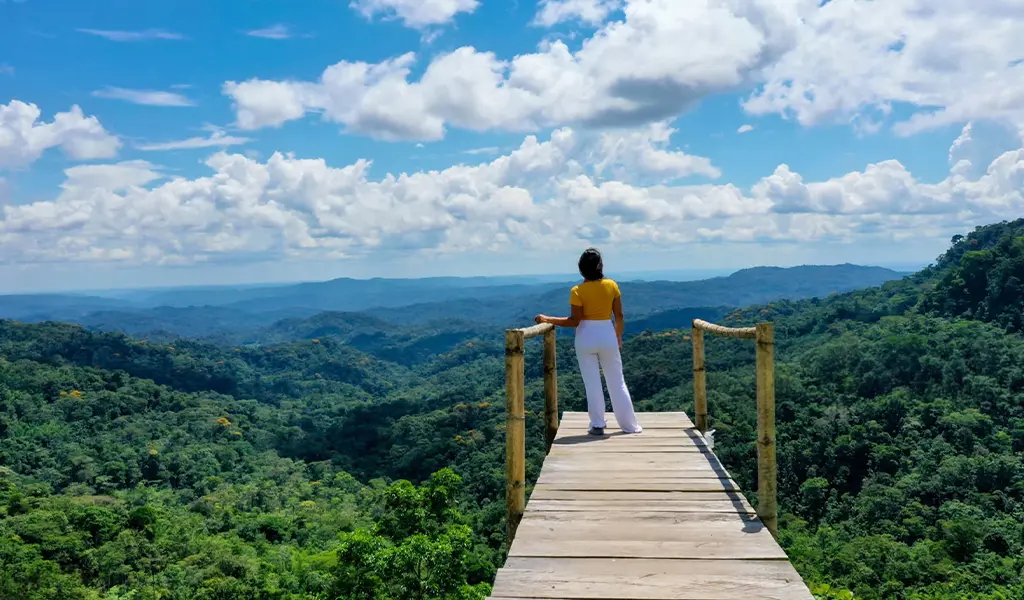
Peru eco tourism emphasizes conservation, local communities, and sustainable travel practices.
Responsible travelers can:
- Respect trail regulations.
- Support local guides.
- Reduce waste.
- Follow protected area guidelines.
- Respect cultural traditions.
Sustainable practices help preserve natural landscapes and support local communities.
Packing for Adventure Travel in Peru
Essential items include:
- Layered clothing.
- Waterproof outerwear.
- Hiking footwear.
- Sun protection.
- Reusable water bottles.
- Trekking poles if desired.
- Small daypack.
- Personal medications.
Packing requirements vary according to altitude, season, and destination.
Mistakes First-Time Travelers Make in Peru
Ignoring Altitude
Many travelers arrive in Cusco and immediately begin demanding hikes.
Allowing time for acclimatization improves comfort and performance.
Underestimating Travel Distances
Mountain roads and changing terrain can increase travel times.
Avoid overly ambitious itineraries.
Waiting Too Long to Book Popular Treks
Certain trekking experiences have limited availability.
Planning ahead provides greater flexibility.
Assuming All Regions Have Similar Weather
The coast, Andes, and Amazon experience different seasonal patterns.
Research each destination individually.
Spending Too Little Time in Cusco
Many travelers rush through the region.
Additional days allow for acclimatization, cultural experiences, and outdoor activities.
Not Balancing Activity Levels
Back-to-back strenuous hikes can lead to fatigue.
Combining demanding treks with lighter activities creates more enjoyable itineraries.
Planning Your Peru Adventure Holiday

When travelers begin to plan a trip to Peru, several decisions shape the experience:
- Trekking versus multi-activity travel.
- Mountains versus rainforest.
- Guided tours versus independent travel.
- Short hikes versus multi-day expeditions.
- Cultural focus versus wilderness focus.
Travelers interested in Peru adventure holidays often achieve the best results by combining outdoor experiences with cultural destinations.
Frequently Asked Questions
Is Peru good for adventure travel?
Yes. Peru offers trekking, hiking, wildlife experiences, mountain landscapes, rainforest exploration, and cultural activities.
What is the most famous trek in Peru?
The Inca Trail is Peru’s most internationally recognized trekking route.
Do I need a guide for trekking in Peru?
Some routes are commonly completed with organized operators, while others may be explored independently depending on regulations and experience.
How many days should I spend in Peru for an adventure trip?
Many active itineraries range from one to two weeks depending on destinations and activities.
Is trekking in Peru difficult?
Difficulty varies significantly. Some hikes are short excursions, while others involve multiple days at high altitude.
Can I combine the Amazon and the Andes?
Yes. Many travelers combine mountain destinations with rainforest experiences.
What is the best region for hiking in Peru?
Cusco, the Cordillera Blanca, Colca Canyon, and the Sacred Valley are among the country’s leading hiking regions.
Should I book tours before arriving?
Advance planning often provides more itinerary options, particularly for popular trekking experiences.
Conclusion

Peru remains one of the world’s most rewarding destinations for active travelers. Few countries offer such remarkable diversity within a single journey, from high mountain trails and glacier-fed lakes to rainforest ecosystems and ancient archaeological landscapes.
Whether your goal is trekking to Machu Picchu, exploring remote Andean valleys, hiking through the Cordillera Blanca, discovering Amazon wildlife, or experiencing traditional communities, Peru offers adventures suited to many travel styles and experience levels.
Successful trips depend on thoughtful planning, realistic itineraries, proper acclimatization, and understanding the country’s geographic diversity. Combining outdoor experiences with cultural exploration often creates the most memorable journeys.
As you compare Peru adventure tours, evaluate your physical goals, available travel time, and preferred experiences. Some travelers focus entirely on trekking, while others combine hiking with cultural visits, wildlife encounters, and regional exploration.
With careful planning and expert guidance, Peru delivers extraordinary landscapes, authentic experiences, and unforgettable adventures that continue to inspire travelers long after they return home.