
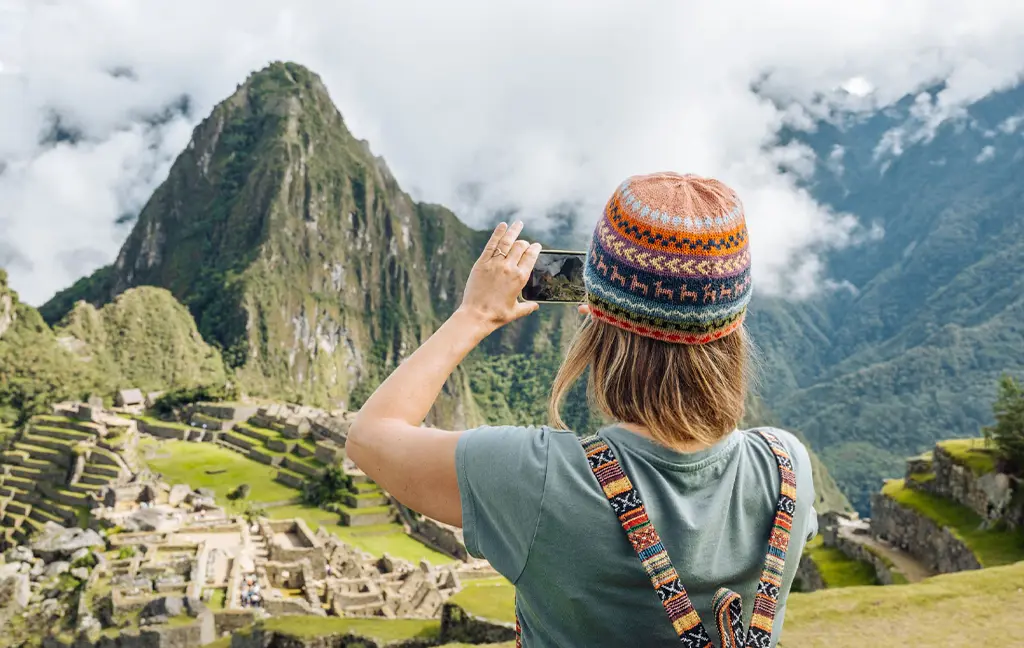
Planning your first journey through Peru can feel both exciting and overwhelming. The country combines ancient history, dramatic mountain landscapes, vibrant cities, Amazon rainforest adventures, world-famous cuisine, and one of the most iconic archaeological sites on Earth, Machu Picchu. At the same time, Peru requires more preparation than many travelers initially expect.
Understanding altitude, transportation logistics, regional weather patterns, train schedules, and how to structure your itinerary can dramatically improve your experience. Many first-time visitors underestimate travel times, rush through destinations, or fail to acclimate properly before heading into the Andes.
This guide explains how to plan a trip to Peru with a practical and strategic approach. Whether you are building a two-week itinerary, researching Peru travel costs, comparing routes through Cusco and the Sacred Valley, or organizing your first visit to Machu Picchu, this article will help you create a smoother and more rewarding trip.
You will learn how to prioritize destinations, avoid common planning mistakes, adapt to Peru’s geography, and make smart decisions based on season, comfort level, and travel style. Instead of generic advice, this guide focuses on real-world logistics and local insight that first-time travelers genuinely need.
Why Peru Requires More Planning Than Most Destinations
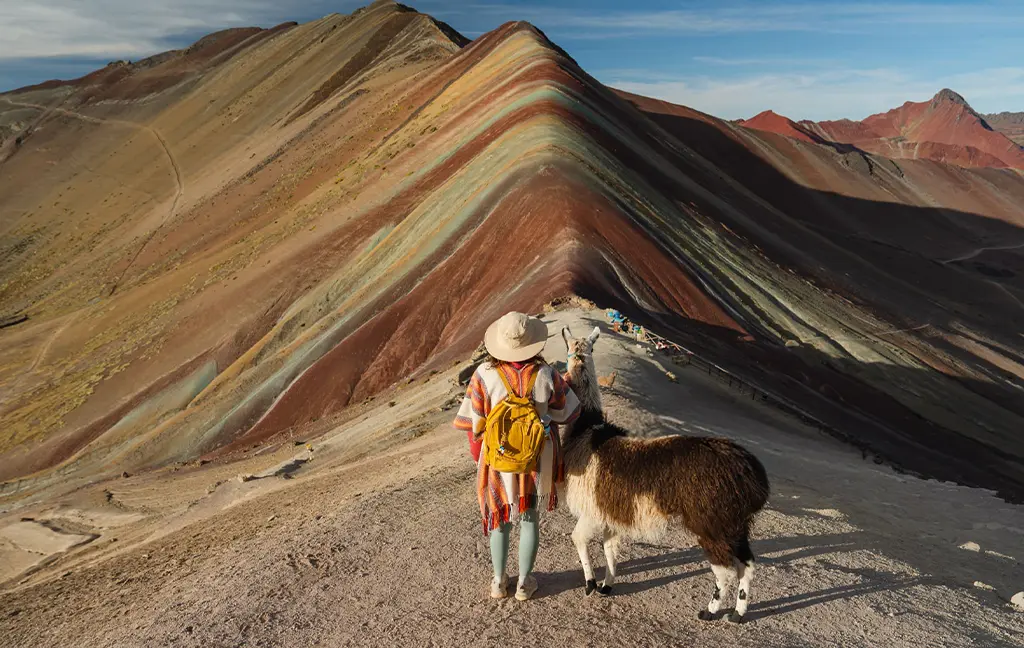
One of the biggest misconceptions about Peru is assuming the country is easy to navigate quickly. Peru is geographically diverse and larger than many travelers realize.
Flights, mountain roads, altitude changes, and weather conditions all influence how efficiently you can move between destinations. A simple itinerary on paper can become exhausting if travel days are underestimated.
For example, many travelers arrive in Cusco and immediately schedule demanding activities at high altitude. Others try to combine Lima, the Amazon, Lake Titicaca, Rainbow Mountain, and Machu Picchu into a single week. The result is often fatigue rather than enjoyment.
A successful Peru itinerary depends on balancing:
- Altitude adaptation
- Regional weather
- Transportation efficiency
- Activity intensity
- Buffer days for flexibility
The travelers who enjoy Peru the most usually move slower and prioritize depth over quantity.
Decide What Kind of Peru Experience You Want
Before booking flights or hotels, define the type of trip you actually want.
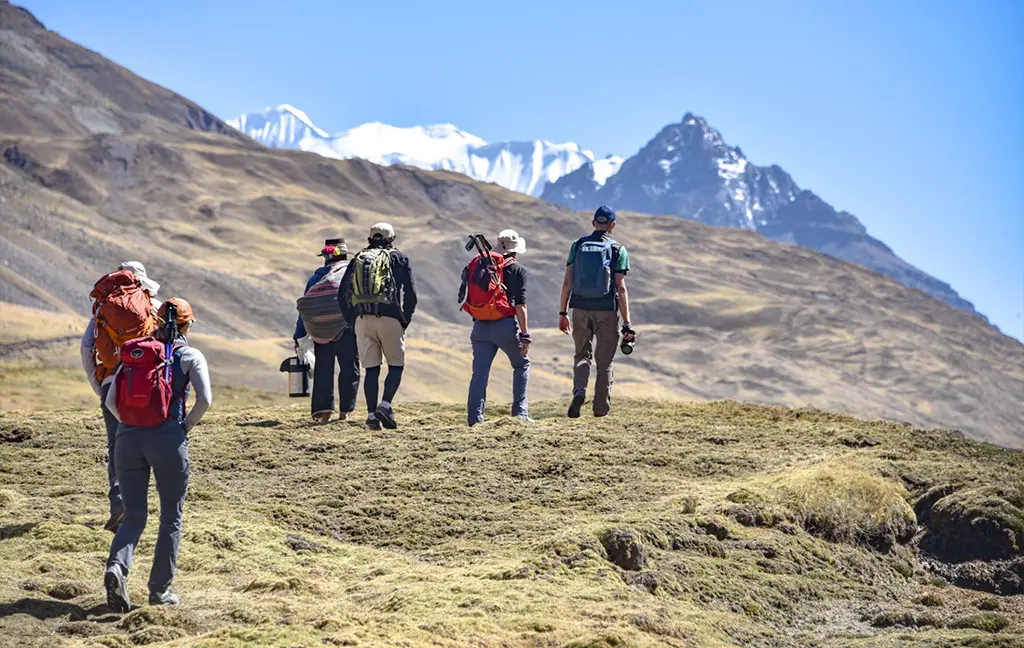
Peru is not a single-style destination. It offers luxury experiences, trekking expeditions, cultural immersion, gastronomy-focused travel, adventure tourism, photography journeys, and family-friendly itineraries.
Your priorities will shape every planning decision afterward.
Cultural and Historical Travel
If your focus is archaeology, indigenous culture, and colonial cities, prioritize:
- Cusco
- Sacred Valley
- Machu Picchu
- Arequipa
- Lake Titicaca
This route works especially well for travelers interested in history and slower exploration.
Adventure and Outdoor Travel
Adventure-focused visitors often include:
- Hiking routes near Cusco
- Salkantay or Inca Trail Treks to Machu Picchu
- Mountain biking
- Jungle excursions
- Rafting Adventures
- Sandboarding in Huacachina
These trips require stronger logistical coordination and more recovery time.
Luxury and Comfort-Focused Travel
Travelers looking for premium experiences typically concentrate on:
- Boutique hotels in Cusco
- Luxury train journeys
- Curated Sacred Valley experiences
- Private guides
- High-end Travel packages
This approach reduces travel stress considerably and improves comfort at altitude.
How Many Days Do You Need in Peru?
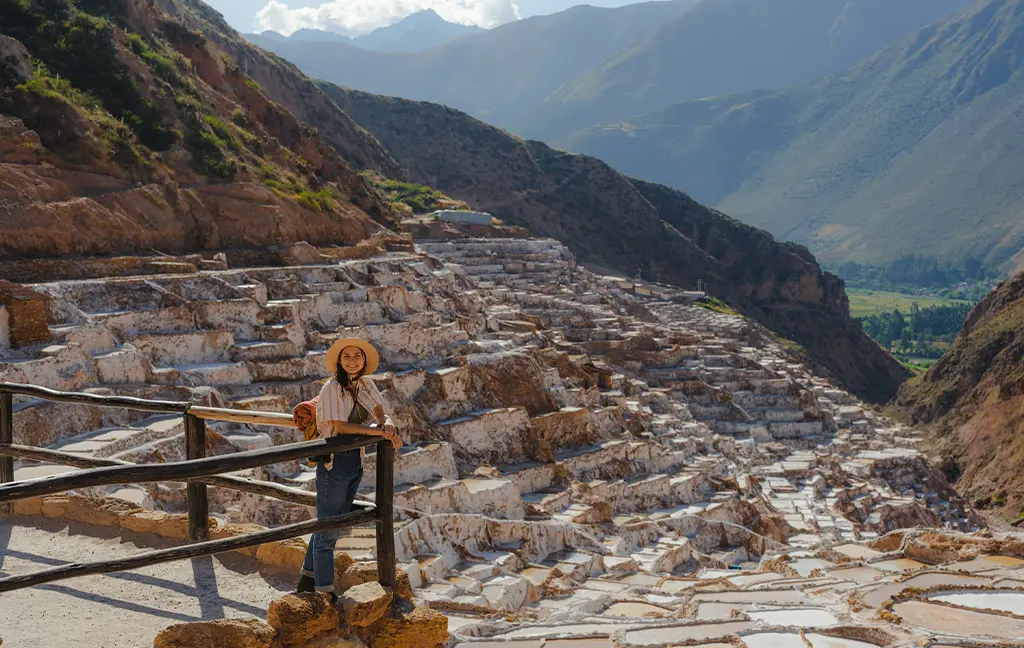
Peru rewards longer itineraries. While short trips are possible, rushing through the country usually leads to travel fatigue.
7 Days in Peru
A one-week itinerary should stay focused.
The smartest route is usually:
- Lima
- Cusco
- Sacred Valley
- Machu Picchu
Avoid adding too many regions.
10 to 14 Days in Peru
This is the ideal timeframe for most first-time visitors.
You can comfortably include:
- Lima
- Cusco
- Sacred Valley
- Machu Picchu
- Rainbow Mountain or Humantay Lake
- Amazon or Lake Titicaca
This timeframe creates a more balanced pace and allows for altitude adjustment.
3 Weeks or More
Longer trips allow travelers to explore Peru more deeply:
- Northern Peru
- Colca Canyon
- Huaraz
- Manu National Park
- Paracas and Nazca
- Remote trekking regions
Longer itineraries also reduce the pressure of constant transportation.
The Smartest Way to Handle Altitude in Peru
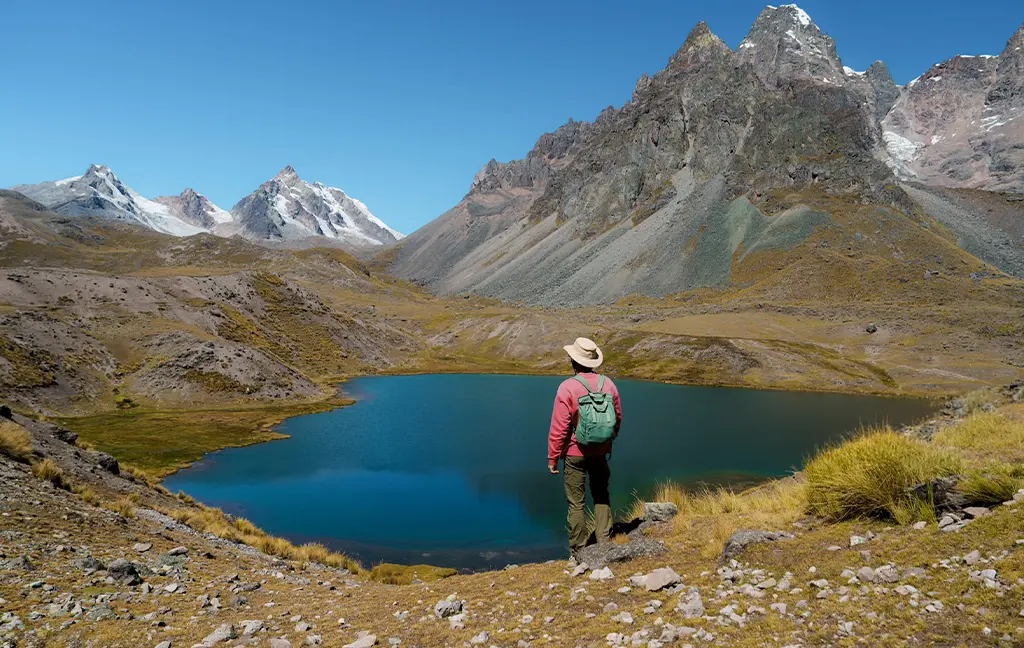
Altitude is one of the most underestimated parts of Peru trip planning.
Many destinations in southern Peru sit above 3,000 meters. Symptoms can include:
- Headaches
- Fatigue
- Nausea
- Difficulty sleeping
- Shortness of breath
The Biggest Mistake First-Time Travelers Make
One of the most common errors is flying directly into Cusco and immediately hiking or taking full-day tours.
Even healthy travelers can struggle.
A smarter strategy is:
- Arrive in Cusco
- Transfer directly to the Sacred Valley
- Spend 1 to 2 days acclimating
- Return to Cusco later
The Sacred Valley sits at a lower elevation and often feels significantly easier physically.
This simple itinerary adjustment can dramatically improve your experience.
Best Time to Visit Peru
The best time to visit Peru depends entirely on the regions you plan to explore.
Dry Season: May to September

This is the most popular period for:
- Machu Picchu
- Trekking
- Mountain photography
- Outdoor activities in Cusco
Advantages:
- Clear skies
- Better hiking conditions
- Lower rain probability
Disadvantages:
- Higher prices
- More crowds
- Early bookings required
Rainy Season: November to March
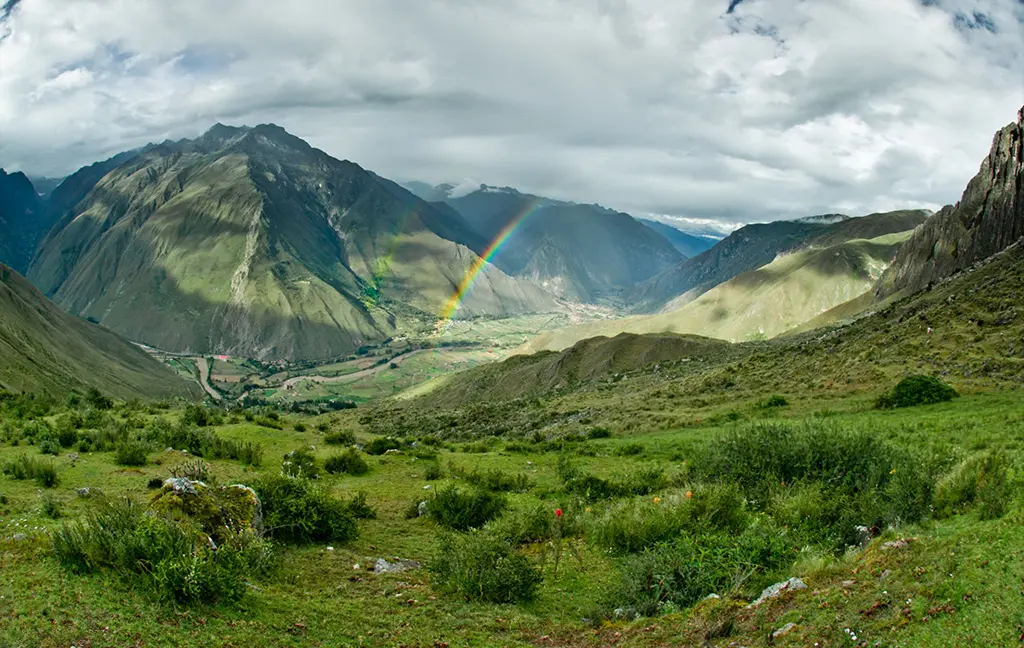
This season transforms the Andes into greener landscapes, but rain becomes more frequent.
Advantages:
- Fewer tourists
- Better hotel prices
- Lush scenery
Disadvantages:
- Muddy trekking routes
- Potential train delays
- Cloudier mountain views
For most first-time travelers, May through September provides the easiest planning experience.
How to Structure Your Peru Itinerary Efficiently
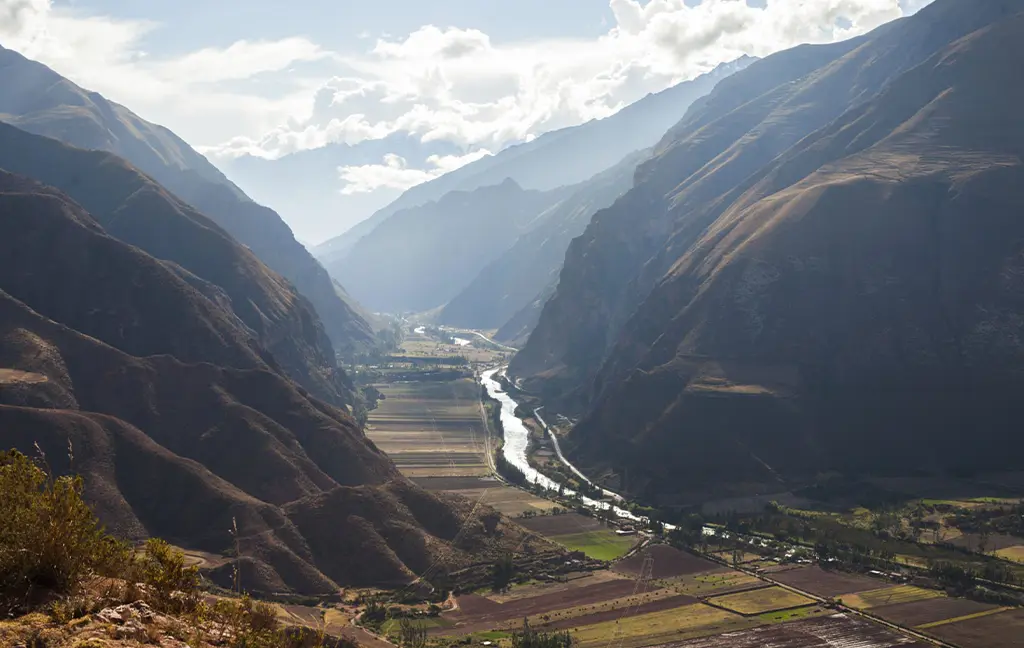
A good itinerary reduces unnecessary backtracking.
Recommended First-Time Route
Lima, Sacred Valley, Cusco and Machu Picchu
This route works well because:
- It improves altitude adaptation
- Transportation flows naturally
- Activity intensity increases gradually
Why Starting in the Sacred Valley Matters
Many travelers assume Cusco should be the immediate base.
However, the Sacred Valley offers:
- Lower elevation
- More relaxed pacing
- Easier recovery after flights
- Excellent cultural experiences
It is one of the most strategically smart itinerary decisions you can make.
Planning Machu Picchu the Right Way
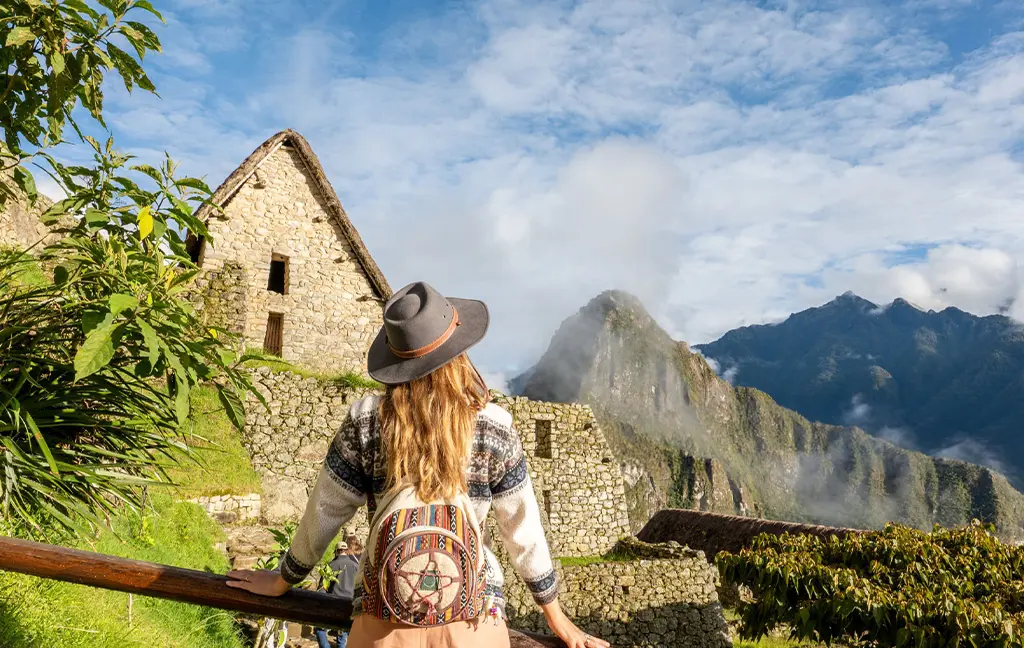
Machu Picchu trip planning requires more attention than travelers often expect.
Entry tickets are regulated and circuits change periodically. Availability can disappear weeks or months ahead during high season.
What You Should Book Early
Book these as early as possible:
- Machu Picchu entry tickets
- Trains
- Hiking permits
- Hotels in Aguas Calientes
- Guided tours
This is especially important between May and September.
Choosing Between Day Trip or Overnight Stay
A same-day visit from Cusco is possible, but often exhausting.
An overnight stay near Machu Picchu usually creates a much better experience because:
- You avoid rushed schedules
- You can enter earlier
- You reduce transportation stress
- You have more flexibility with weather
Many travelers combining Machu Picchu tours with Sacred Valley exploration find overnight planning far more enjoyable.
Transportation Tips Most Travelers Learn Too Late
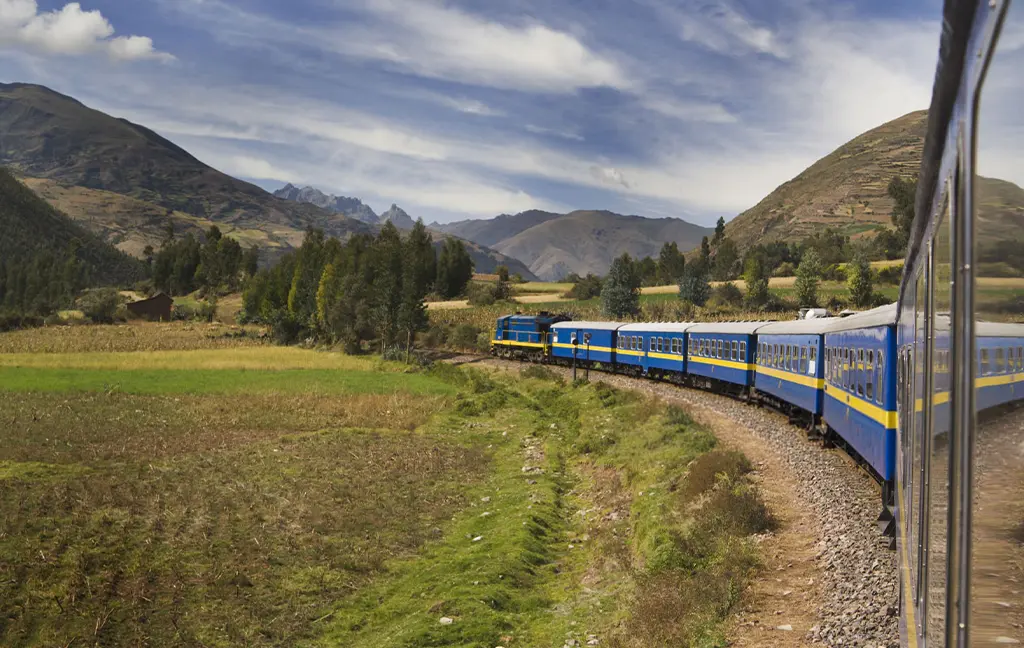
Transportation in Peru often takes longer than visitors expect.
Distances on the map can be misleading because mountain roads, traffic, and weather conditions can significantly slow travel times.
Domestic Flights
Flights are usually the best option for routes such as:
- Lima to Cusco
- Lima to Arequipa
- Lima to Puerto Maldonado
If your itinerary is short, avoiding unnecessary overnight buses can save both time and energy.
Trains to Machu Picchu
The train journey to Machu Picchu is considered part of the experience.
Popular departure stations include:
- Ollantaytambo
- Poroy
- San Pedro
Ollantaytambo is often the most efficient departure point for travelers already exploring the Sacred Valley.
Buses in Peru
Long-distance bus quality varies significantly across Peru.
Premium bus companies typically offer:
- Reclining seats
- Safer overnight travel
- Better punctuality
- Cleaner onboard facilities
Budget bus options may reduce costs, but they can also increase travel fatigue and reduce comfort on long journeys.
Budgeting for Peru Without Ruining Your Experience

Many travelers ask about realistic Peru travel budget expectations.
Peru can accommodate both budget travelers and luxury visitors. However, trying to cut costs excessively in the Andes sometimes creates unnecessary stress.
Areas Worth Spending More On
Certain upgrades significantly improve the experience:
- Better hotels at altitude
- Reliable transportation
- Experienced guides
- Flexible train schedules
- Comfortable airport transfers
Areas Where You Can Save
You can usually reduce costs on:
- Local meals
- Domestic snacks
- Group day tours
- Mid-range accommodations
Peru remains relatively affordable compared to many long-haul destinations, especially for food and guided experiences.
Safety Tips for First-Time Travelers
Most visits to Peru are smooth and enjoyable, but realistic awareness matters.
Important Peru Safety Tips
In larger cities:
- Avoid displaying valuables
- Use authorized taxis
- Stay alert in crowded areas
In mountain destinations:
- Hydrate consistently
- Respect altitude limitations
- Carry layers for changing weather
Tourist zones in Cusco and the Sacred Valley are generally traveler-friendly, especially when using reputable operators and accommodations.
What to Pack for Peru

A strong Peru packing list depends heavily on altitude and regional diversity.
In a single trip, you may encounter:
- Coastal humidity
- Cold mountain mornings
- Strong sun exposure
- Rainforest heat
Essentials Many Travelers Forget
Bring:
- Layers for temperature changes
- Sunscreen with high SPF
- Reusable water bottle
- Altitude medication if needed
- Rain jacket
- Power adapter
- Comfortable walking shoes
Even during dry season, mountain weather can shift quickly.
Why Cusco Deserves More Time Than Most Travelers Give It
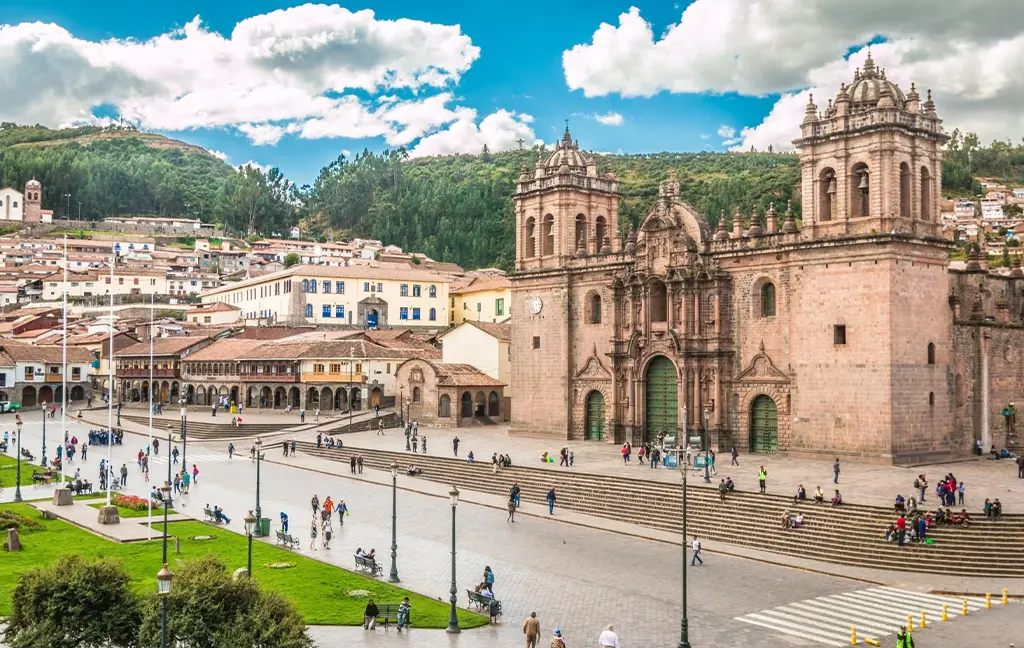
Many visitors treat Cusco only as a gateway to Machu Picchu. That is a mistake.
A proper Cusco travel guide should include time for:
- Historic neighborhoods
- Local markets
- Museums
- Food experiences
- Day trips into the Sacred Valley
The city itself is one of South America’s most culturally fascinating destinations.
Travelers who schedule additional Cusco tours often leave with a much deeper understanding of Andean culture and Inca history.
Unique Insight: The Peru Itinerary Mistake That Creates Burnout
One of the most overlooked realities of Peru travel is cumulative fatigue.
Altitude, early departures, long drives, changing climates, and physical activities can compound quickly.
A common first-time itinerary mistake looks like this:
- Arrive in Cusco
- Full-day Sacred Valley tour
- Machu Picchu day trip
- Rainbow Mountain hike the next morning
Technically possible, but physically draining.
Experienced Peru travelers usually structure trips differently:
- Slower altitude adaptation
- Recovery evenings
- Reduced hotel switching
- Strategic overnight stays
This creates a dramatically more enjoyable experience.
Peru is not a destination where “seeing more” automatically means “experiencing more.”
Should You Book Tours in Advance?
For many activities, yes.
High-demand experiences such as:
- Inca Trail Treks to Machu Picchu
- Machu Picchu entrance tickets
- Premium train services
- Guided trekking routes
often sell out early.
However, some activities can remain flexible:
- City walking tours
- Food experiences
- Certain local excursions
The best strategy is securing your core logistics first, then leaving room for spontaneity afterward.
Quick Takeaways
- Spend at least 10 to 14 days in Peru if possible.
- Prioritize altitude adaptation early in the itinerary.
- Stay in the Sacred Valley before Cusco when possible.
- Book Machu Picchu tickets and trains well in advance.
- Avoid overloading your schedule with consecutive early tours.
- Domestic flights save valuable travel time.
- Peru rewards slower, experience-focused travel planning.
FAQs
How far in advance should I plan a trip to Peru?
For high season travel, ideally 3 to 6 months in advance, especially if you want Machu Picchu tickets or trekking permits.
Is Peru safe for first-time international travelers?
Yes, especially in major tourism regions. Basic precautions and reputable transportation choices significantly improve safety.
What is the best month to visit Machu Picchu?
June through August offers the driest conditions, but May and September often provide a better balance between weather and crowds.
How much does a Peru trip usually cost?
Costs vary widely. Mid-range travelers generally spend more on flights and Machu Picchu logistics than on daily meals or local transportation.
Should I visit Lima or go directly to Cusco?
Most international travelers arrive through Lima first. Spending at least one night there before heading to Cusco can reduce fatigue.
Are Peru tours worth booking?
Yes, especially for trekking, cultural interpretation, and complex logistics around Machu Picchu and remote destinations.
Do I need travel insurance for Peru?
Travel insurance is highly recommended because weather, altitude, and transportation disruptions can occasionally affect itineraries.
Is the Sacred Valley better than Cusco for acclimatization?
Yes. The Sacred Valley sits at a lower elevation and is often easier for first-time visitors adjusting to altitude.
Conclusion
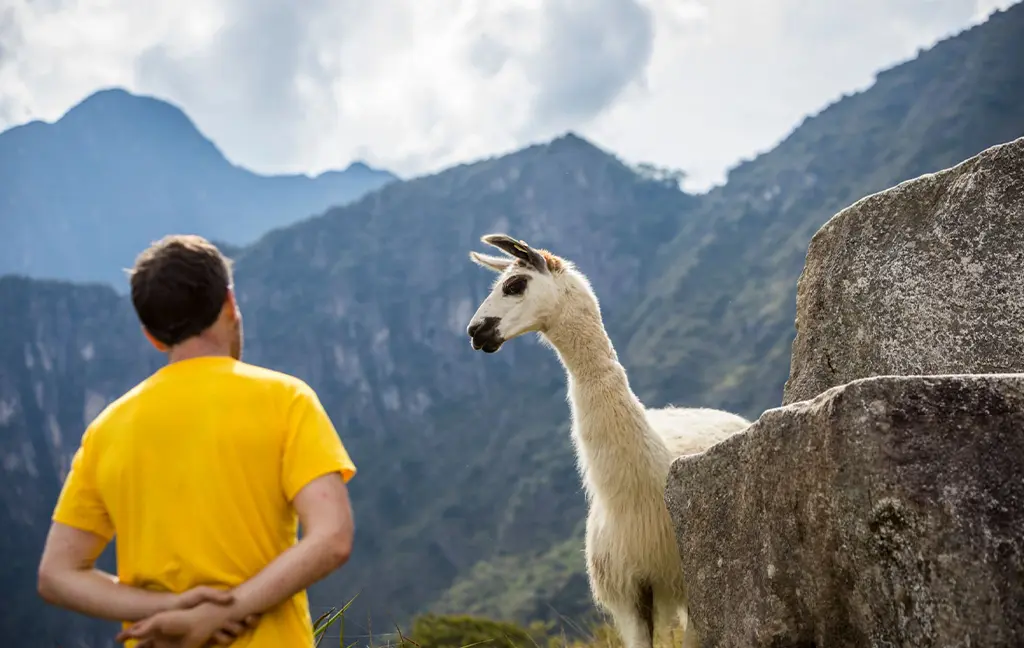
Planning a successful trip through Peru is less about fitting as many destinations as possible into your itinerary and more about creating a balanced, realistic, and rewarding travel experience.
The travelers who enjoy Peru the most are usually the ones who understand its rhythm. They allow time for altitude adjustment, avoid exhausting schedules, and prioritize meaningful experiences over rushed sightseeing. Whether you are exploring ancient Inca sites, wandering through the Sacred Valley, joining immersive cultural experiences, or organizing unforgettable Travel packages, thoughtful planning makes a major difference.
Peru offers extraordinary diversity within a single country. You can move from Pacific coastlines to Andean mountain landscapes and Amazon rainforest ecosystems in just days. That variety is precisely what makes Peru so memorable, but also why strategic preparation matters.
By understanding transportation realities, booking key logistics early, and building a flexible itinerary, your first visit can feel far smoother and far more immersive.
If you are still refining your route, comparing destinations, or choosing between trekking, cultural exploration, or curated experiences, investing time in the planning stage will ultimately help you experience Peru with greater confidence and less stress.