
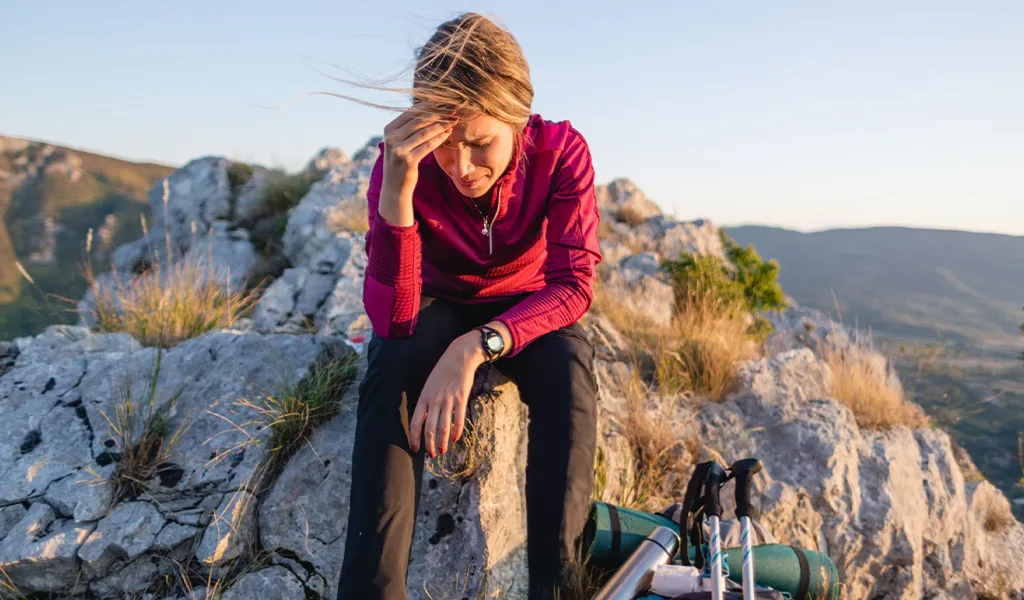
Cusco sits at about 3,400 m. The airport is at 3,310 m. The CDC says rates of altitude illness approach 50% for travelers who ascend rapidly by air to high destinations such as this. Symptoms are usually mild. The best prevention is to ascend gradually, ideally by sleeping in the lower Sacred Valley first. Machu Picchu is lower than Cusco at 2,430 m, and Aguas Calientes lower still at 2,040 m.
How high is Cusco compared with Machu Picchu?
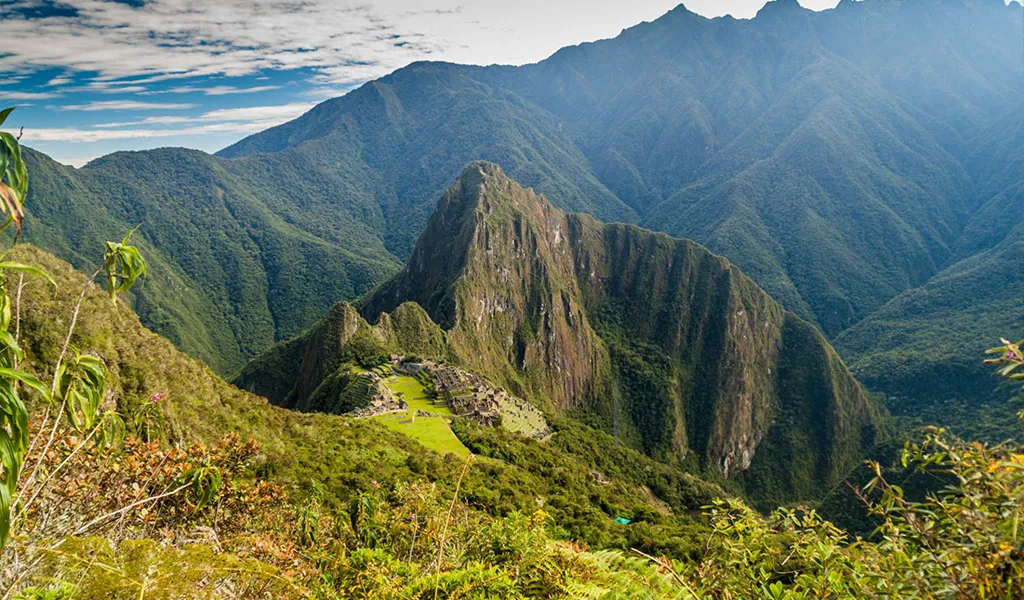
These heights are approximate and vary slightly by source.
| Place | Approx. altitude |
| Cusco (city) | 3,400 m |
| Cusco airport | 3,310 m |
| Pisac | 2,970 m |
| Urubamba | 2,870 m |
| Ollantaytambo | 2,790 m |
| Machu Picchu citadel | 2,430 m |
| Aguas Calientes | 2,040 m |
What altitude sickness feels like
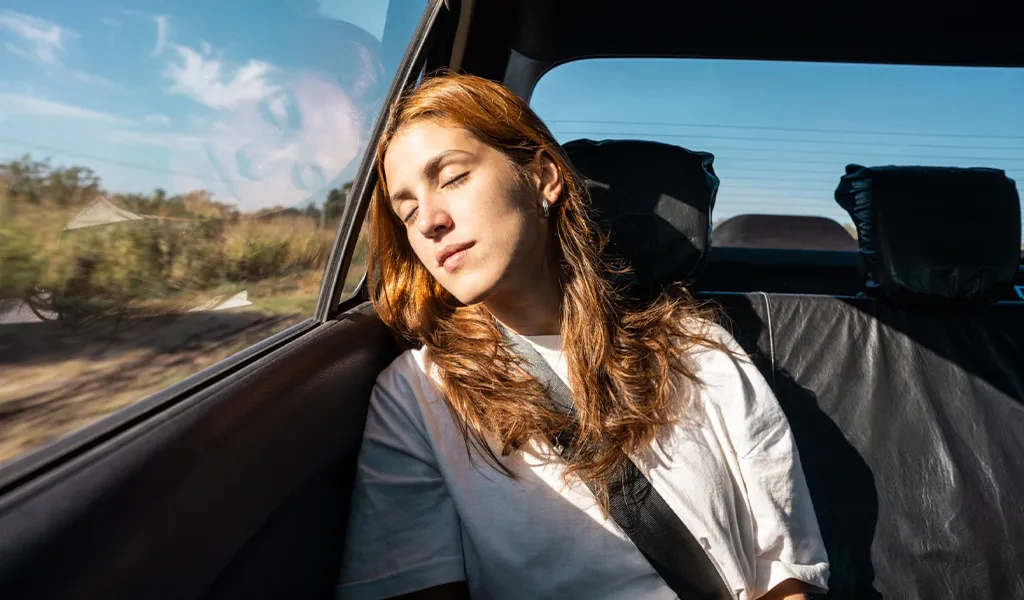
Acute mountain sickness resembles a hangover. Headache is the main symptom, usually with loss of appetite, dizziness, fatigue or nausea. Onset is typically 2–12 hours after arrival, often during the first night. It normally resolves within one to three days if you do not go higher. Fitness does not protect against it, and children are as susceptible as adults. Sleep disturbance is very common. A fever or muscle aches point to something else.
How to acclimatize
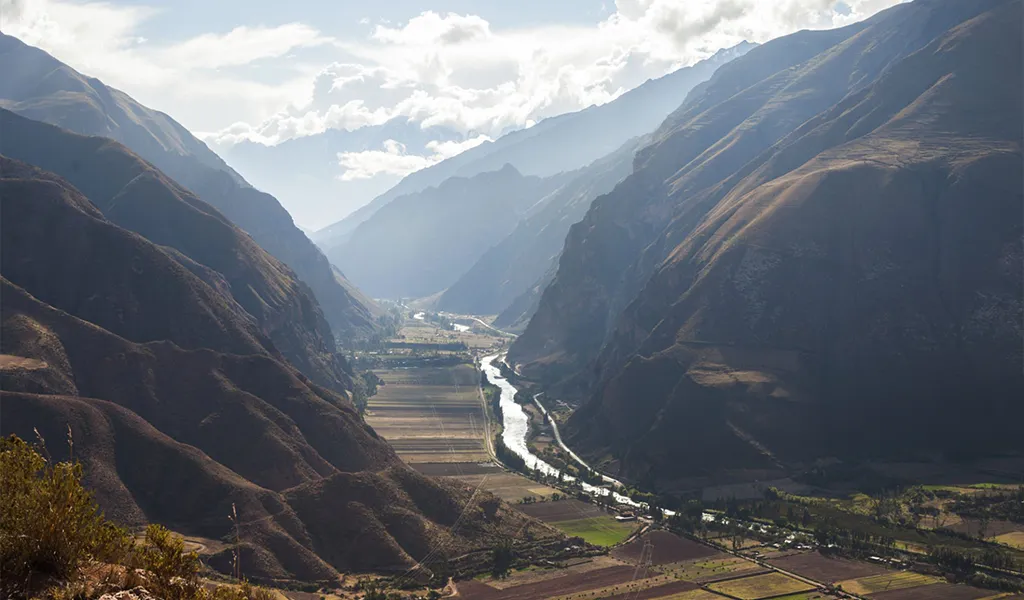
- Sleep lower first. The CDC states that travelers to Cusco can descend below the airport’s altitude to sleep for one or two nights before ascending. In practice, that means the Sacred Valley. Once above 3,000 m, the guidance is to raise your sleeping altitude by no more than about 500 m a day.
- Keep the first days easy. The CDC advises mild exercise only, no alcohol for the first 48 hours, and continuing your usual caffeine to avoid a withdrawal headache.
- Discuss medication in advance. For travelers who cannot ascend gradually, the CDC advises a low threshold for preventive acetazolamide. Its prophylaxis regimen is 125 mg every 12 hours, starting the day before ascent. It is prescription only, so ask your doctor.
- Consider supplemental oxygen. Oxygen is very effective at restoring oxygenation, but small handheld cans give only brief relief. Some Cusco hotels offer oxygen-enriched rooms.
Coca tea is widely served in Cusco. Clinical guidance such as the CDC’s does not list it as prevention or treatment, so treat it as a local custom.
A sensible route before Machu Picchu
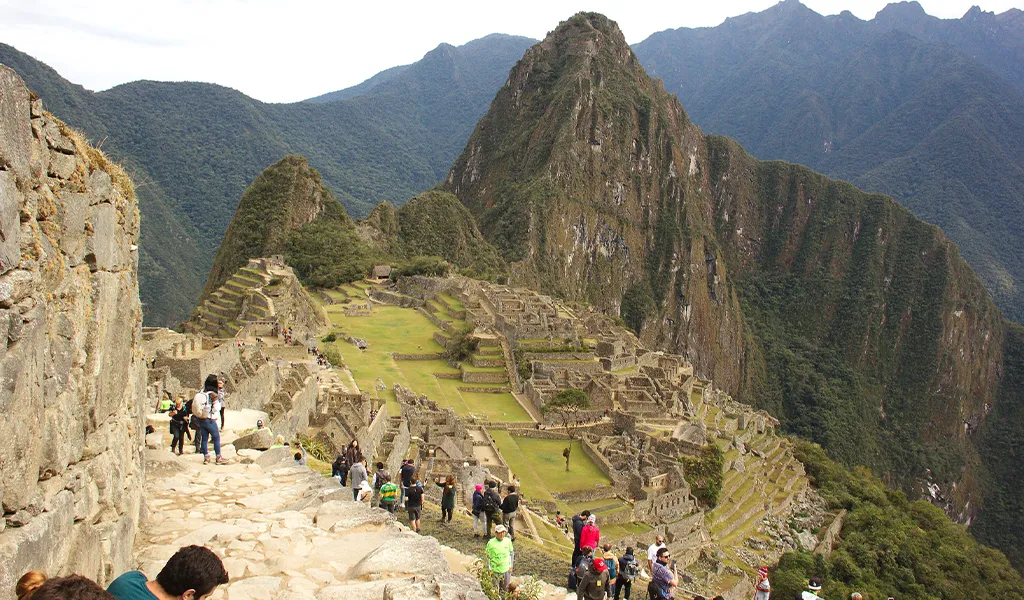
This is a recommendation, not a rule. One approach is to transfer from the airport to Urubamba or Ollantaytambo, spend one or two nights there, take the train to Machu Picchu, then finish in Cusco. Read the Sacred Valley guide and plan entry times with Machu Picchu tickets. If you prefer to start in Cusco, keep the first day light and see things to do in Cusco for low-effort options. Trekkers should also read Inca Trail vs. Salkantay, because those routes go much higher.
When to get help
Never ascend to sleep at a higher altitude with symptoms, however minor. Descend if symptoms worsen despite rest or treatment. Confusion, drowsiness or an unsteady walk can signal cerebral edema. Chest congestion, cough or breathlessness at rest can signal pulmonary edema. Both need urgent descent and medical care.
Who should see a doctor first
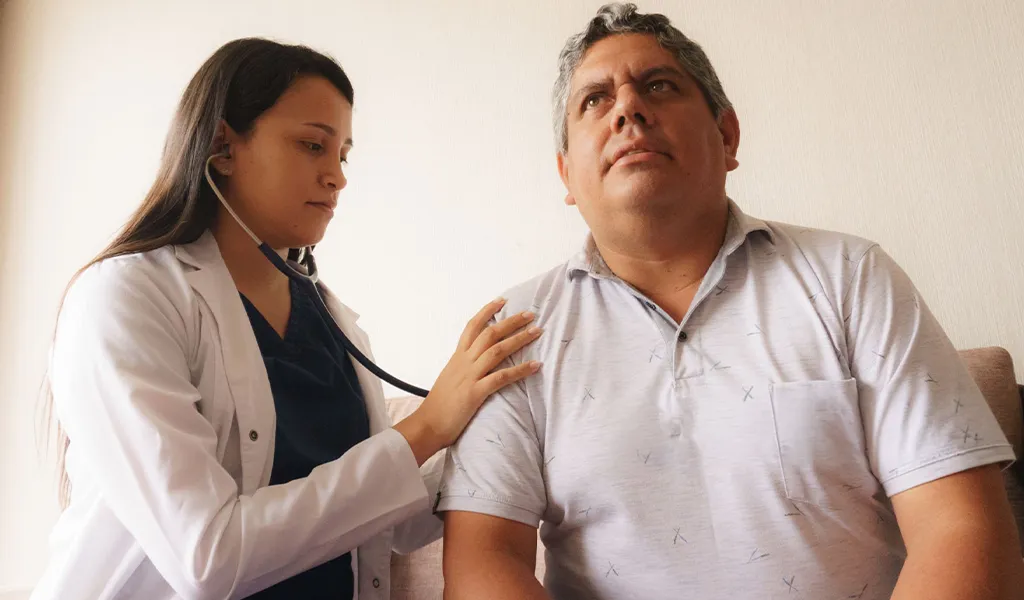
Heart or lung disease, sleep apnea and pregnancy warrant advice before high-altitude travel. The CDC suggests pregnant women avoid sleeping above 3,050 m. Cusco is above that figure. Anyone with a history of altitude illness should also check in with a doctor.
For a broader overview of the site, see the Machu Picchu travel guide. Our team builds private itineraries with acclimatization built into the route.