
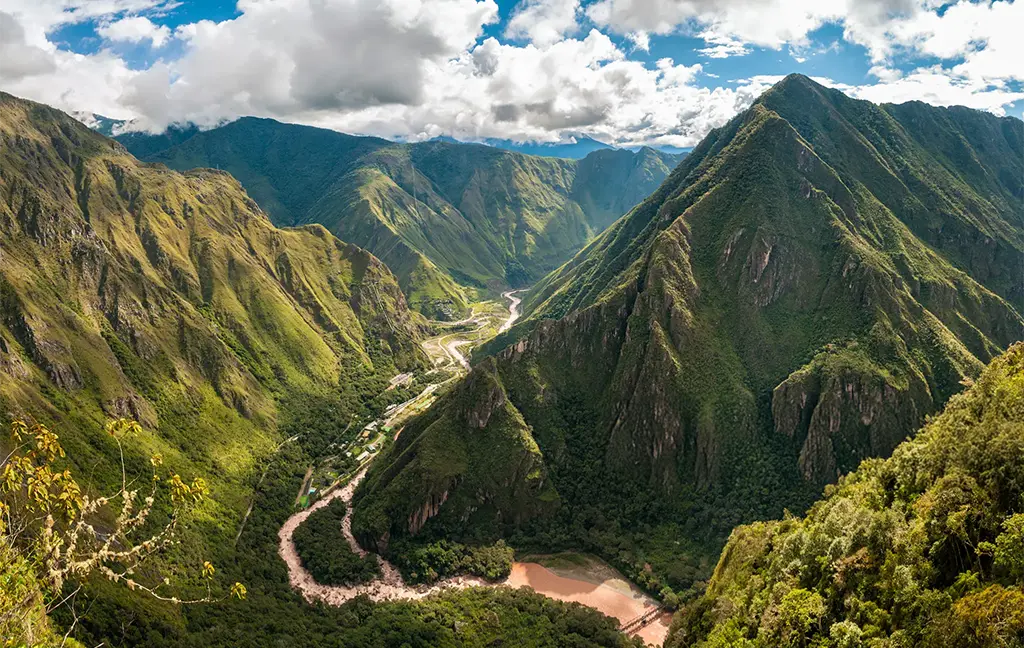
Choosing the best time to visit Peru is one of the most important decisions you’ll make when planning your journey. Peru is not a destination with a single climate or travel season. Instead, it is a country of dramatic geographical contrasts, where coastal deserts, Andean mountains, cloud forests, and Amazon rainforest ecosystems create very different weather patterns throughout the year.
A traveler focused on exploring Machu Picchu may prioritize dry weather and clear mountain views. Someone interested in wildlife photography in the Amazon might prefer an entirely different season. Others may be looking for fewer crowds, better hotel rates, or ideal trekking conditions.
Understanding Peru’s regional climates can help you maximize your experience while avoiding common planning mistakes. From the high-altitude landscapes of Cusco and the Sacred Valley to the Pacific coast around Lima and the biodiversity of the Amazon Basin, each region has its own optimal travel window.
This comprehensive guide explains Peru’s seasons, regional weather patterns, crowd levels, and monthly travel conditions so you can confidently choose the right time for your trip.
Understanding Peru’s Climate Regions
One of the biggest misconceptions about Peru is assuming the weather is similar across the country.
Peru can be divided into three major climate zones:
The Coast
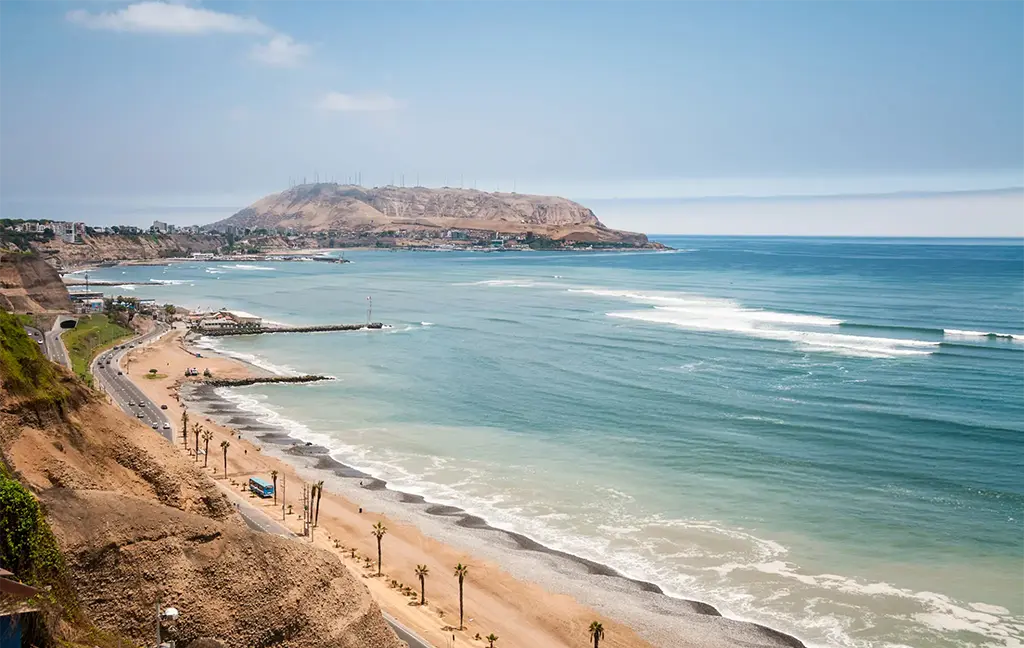
The Pacific coast includes Lima, Paracas, Huacachina, Trujillo, and northern beach destinations.
Characteristics include:
- Mild winters
- Warm summers
- Limited rainfall
- Frequent coastal fog during winter
The Andes
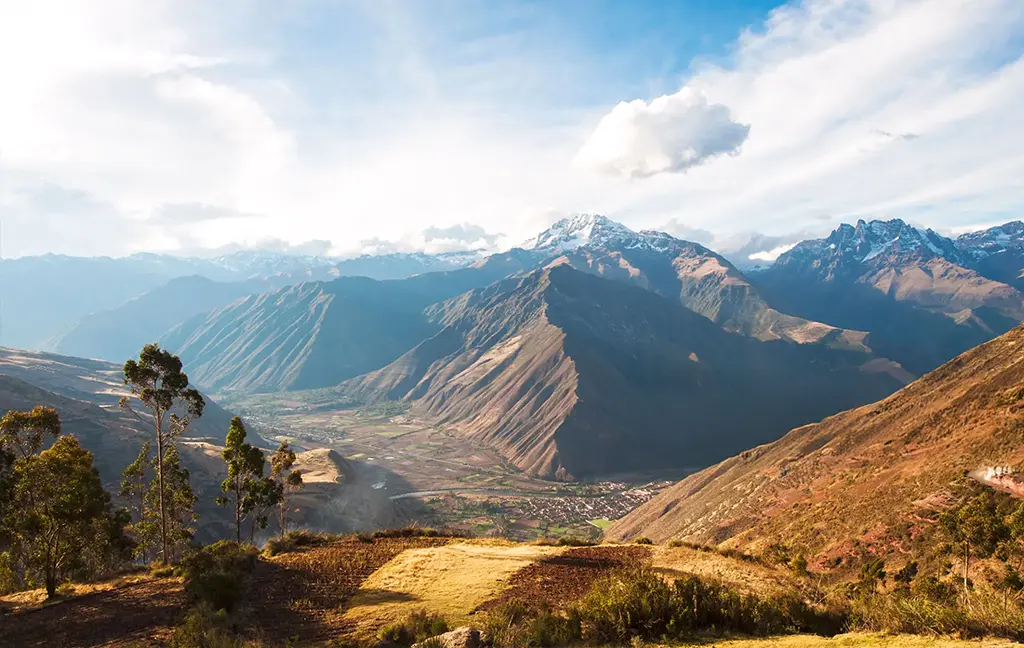
The Andean region includes:
- Cusco
- Sacred Valley
- Machu Picchu
- Rainbow Mountain
- Lake Titicaca
- Arequipa
- Colca Canyon
This region experiences distinct dry and wet seasons.
The Amazon
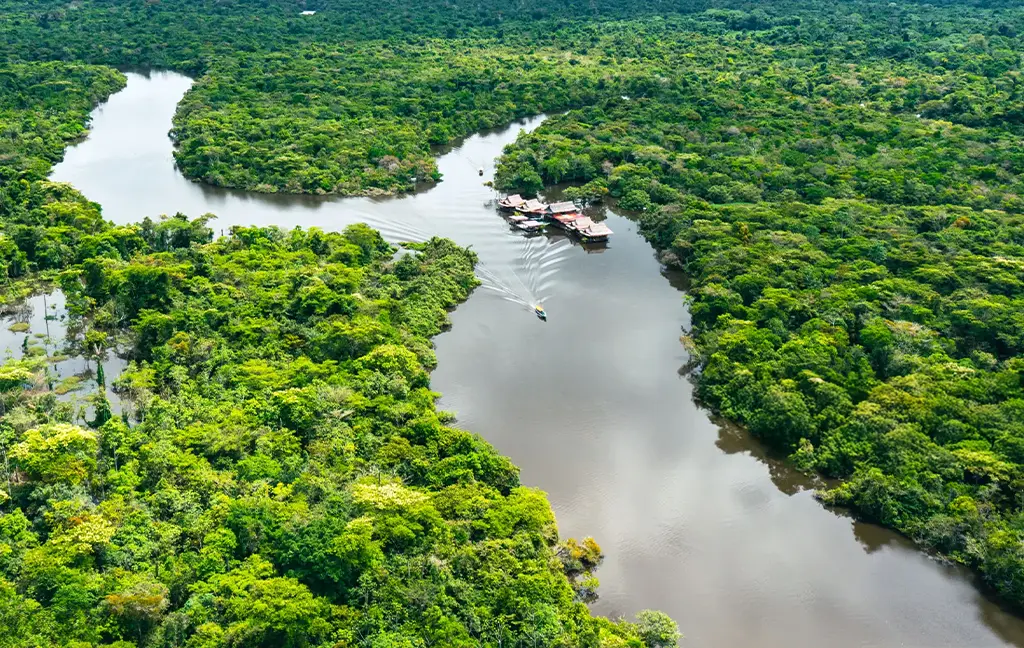
Peru’s Amazon region includes:
- Puerto Maldonado
- Tambopata
- Manu National Park
- Iquitos
The rainforest remains warm throughout the year, but rainfall and river levels fluctuate significantly.
Peru Travel Seasons Explained
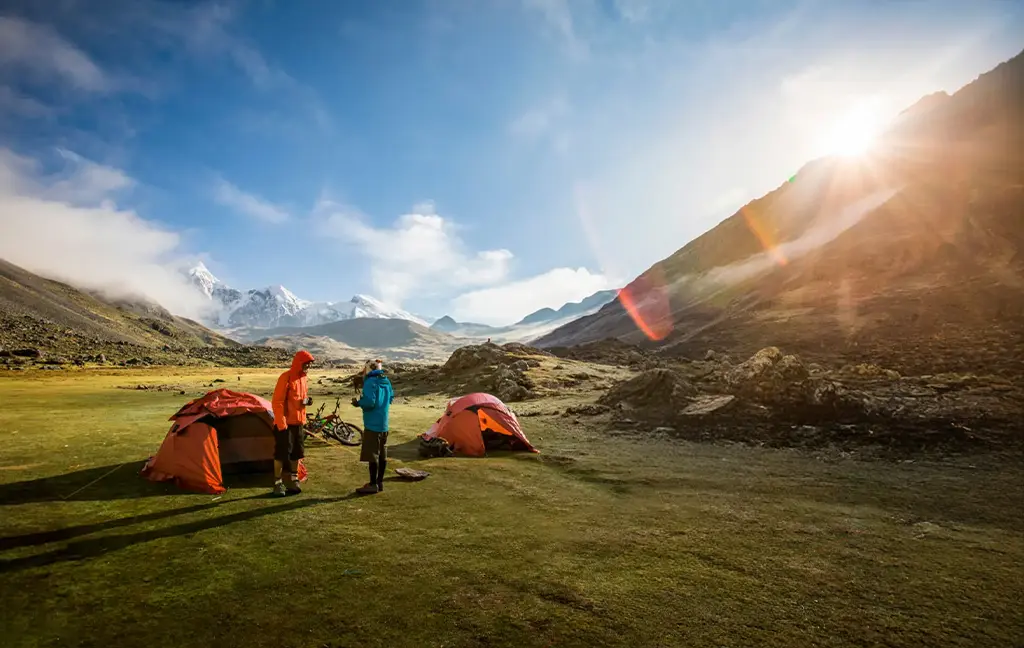
Dry Season in Peru (May to September)
The dry season in Peru is widely regarded as the most favorable time for tourism.
Benefits include:
- Clear skies
- Better mountain visibility
- Lower chance of rain
- Excellent trekking conditions
- Ideal photography opportunities
This season is especially attractive for visitors planning to hike, explore archaeological sites, and travel through the Andes.
Rainy Season in Peru (November to March)
The rainy season in Peru primarily affects the Andes and Amazon regions.
Expect:
- Frequent afternoon rain
- Cloudier skies
- Muddy trekking routes
- Lush green landscapes
While weather conditions can be less predictable, this season often rewards travelers with fewer crowds and lower prices.
Shoulder Seasons (April, May, September, October)
Experienced travelers often prefer these months.
Advantages include:
- Pleasant weather
- Reduced visitor numbers
- Better hotel availability
- Strong value for money
For many travelers, these months represent the true sweet spot for Peru travel.
Peru Weather by Month
Peru in January
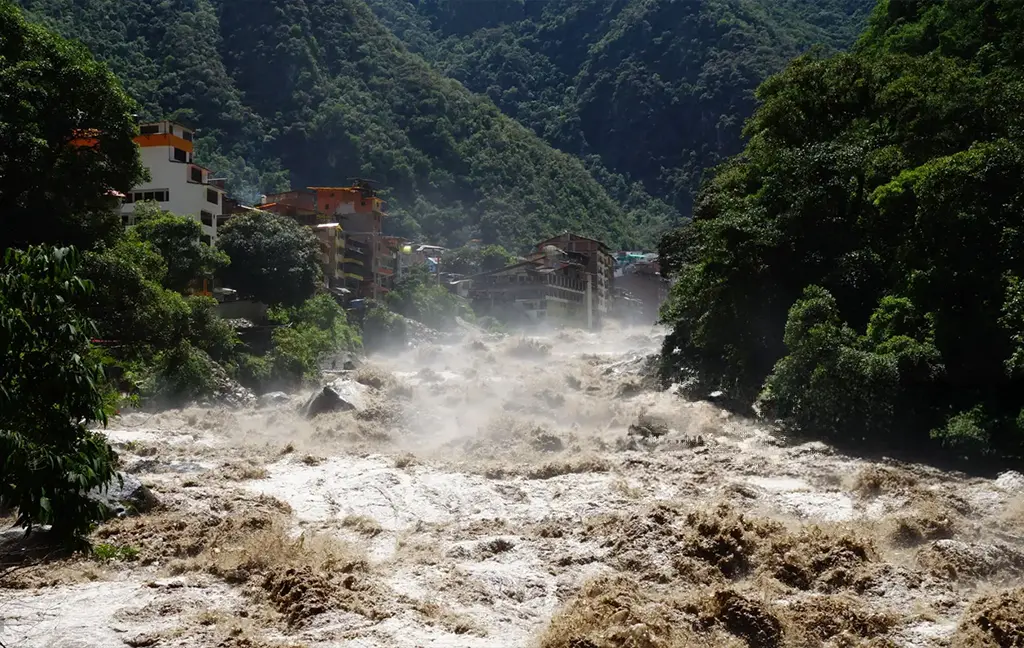
January falls during the heart of the wet season in the Andes.
Pros:
- Vibrant green landscapes
- Lower tourist volumes
- Good opportunities in coastal destinations
Cons:
- Frequent rain in Cusco
- Cloud cover around mountain attractions
- Trekking conditions may be challenging
Peru in February
February is often the wettest month in the Andes.
Travelers should note:
- Some trekking routes may be affected by weather
- The Inca Trail closes annually for maintenance during February
- Coastal destinations enjoy warm summer weather
Peru in March
Rainfall begins to decrease gradually.
Advantages:
- Fewer crowds
- Improved trail conditions
- Lush scenery
March can be an underrated month for flexible travelers.
Peru in April
Many travel experts consider April one of the best months to visit.
Highlights include:
- Green landscapes
- Improving weather
- Comfortable temperatures
- Reduced crowds
Peru in May
Peru in May marks the beginning of the dry season.
Conditions are excellent for:
- Sacred Valley exploration
- Mountain photography
- Trekking
- Cultural sightseeing
This is often considered one of the most balanced months of the year.
Peru in June
Peru in June offers some of the best weather conditions in the Andes.
Expect:
- Sunny days
- Cool nights
- Excellent visibility
June is also known for major cultural celebrations in Cusco.
Peru in July
Peru in July sits firmly within peak travel season.
Advantages:
- Reliable weather
- Ideal trekking conditions
- Outstanding mountain views
Disadvantages:
- Larger crowds
- Higher accommodation prices
- Earlier booking requirements
Peru in August
Peru in August remains one of the busiest months.
This period is ideal for:
- Hiking
- Multi-day adventures
- High-altitude exploration
- Outdoor activities
Travelers interested in Rafting Adventures may also find favorable river conditions in certain regions.
Peru in September
Peru in September combines strong weather with slightly fewer visitors.
Many experienced travelers consider September one of the most rewarding months for Peru.
Peru in October
October remains part of the shoulder season.
Benefits include:
- Pleasant temperatures
- Moderate crowds
- Competitive pricing
Peru in November
Rainfall begins increasing gradually across the Andes.
Advantages:
- Fewer tourists
- More availability
- Attractive rates
Peru in December
December brings the return of the wet season.
However:
- Lima enjoys warm summer conditions
- Holiday festivities create a vibrant atmosphere
- Visitor numbers increase around Christmas and New Year
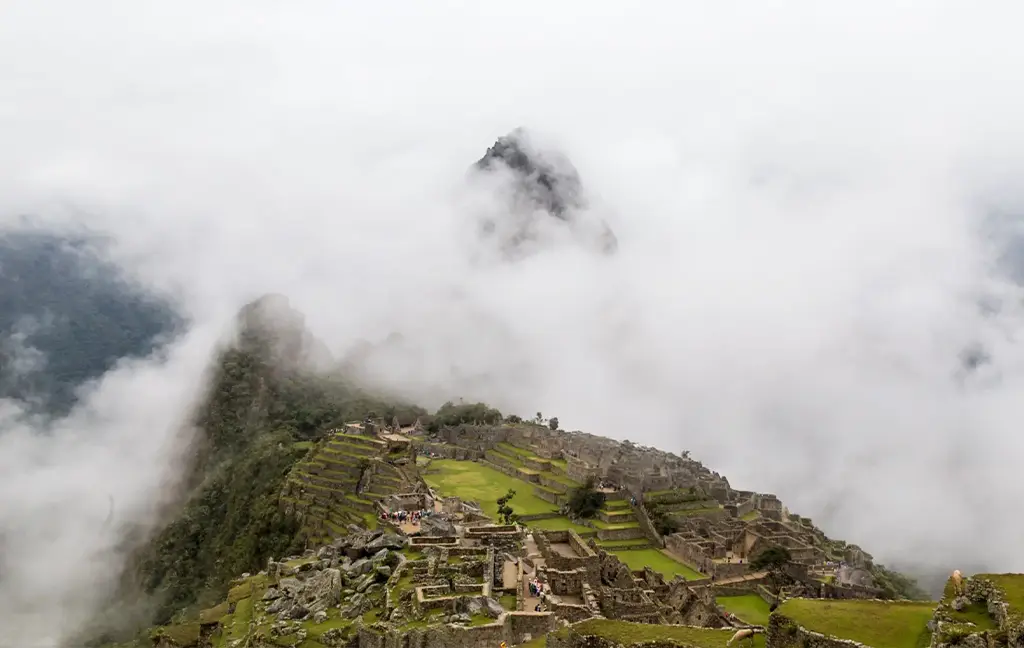
Best Time to Visit Machu Picchu
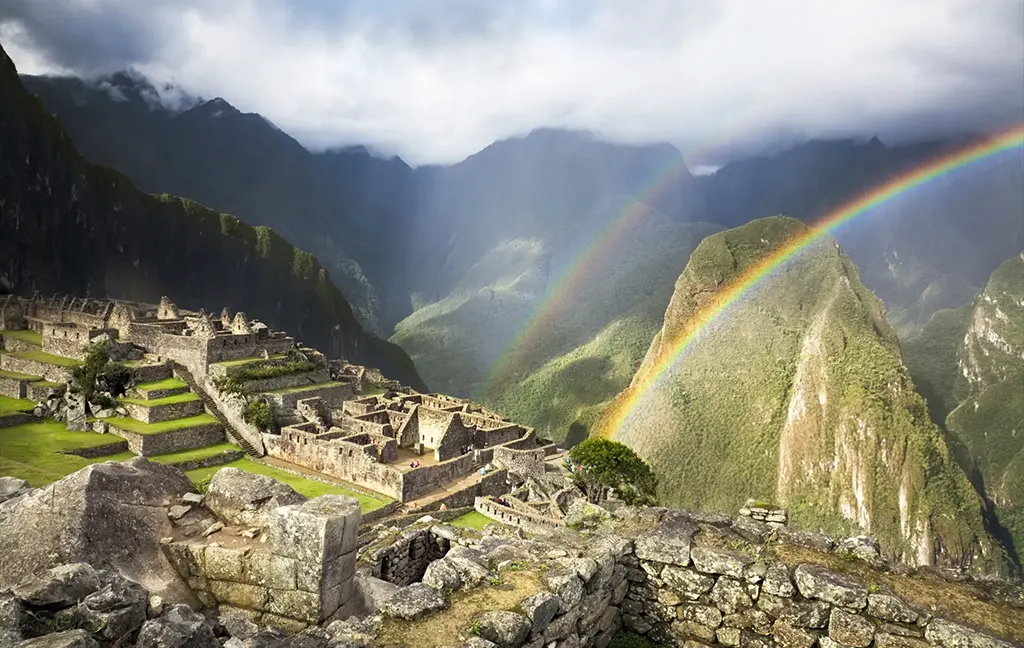
The best time to visit Machu Picchu generally falls between May and September.
During these months, travelers enjoy:
- Better visibility
- Lower rainfall
- Improved trail conditions
- More reliable transportation schedules
However, peak season crowds are highest between June and August.
For many visitors, April, May, September, and October offer the ideal combination of weather and manageable visitor numbers.
When planning a visit to Machu Picchu, securing entrance tickets well in advance is highly recommended, especially during the busiest months.
Best Time to Visit Cusco
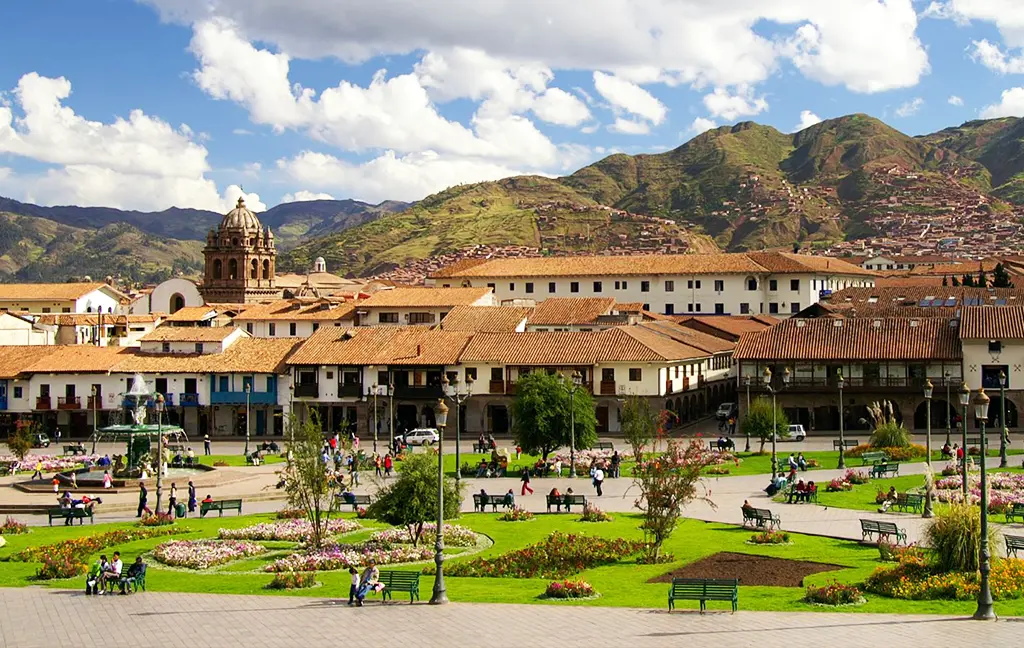
The best time to visit Cusco closely aligns with the Andean dry season.
May through September offers:
- Crisp mornings
- Sunny afternoons
- Excellent sightseeing conditions
Visitors should be aware that temperatures can drop significantly at night due to altitude.
Those seeking fewer crowds often choose April, May, September, or October while still enjoying favorable weather.
Best Time to Hike the Inca Trail
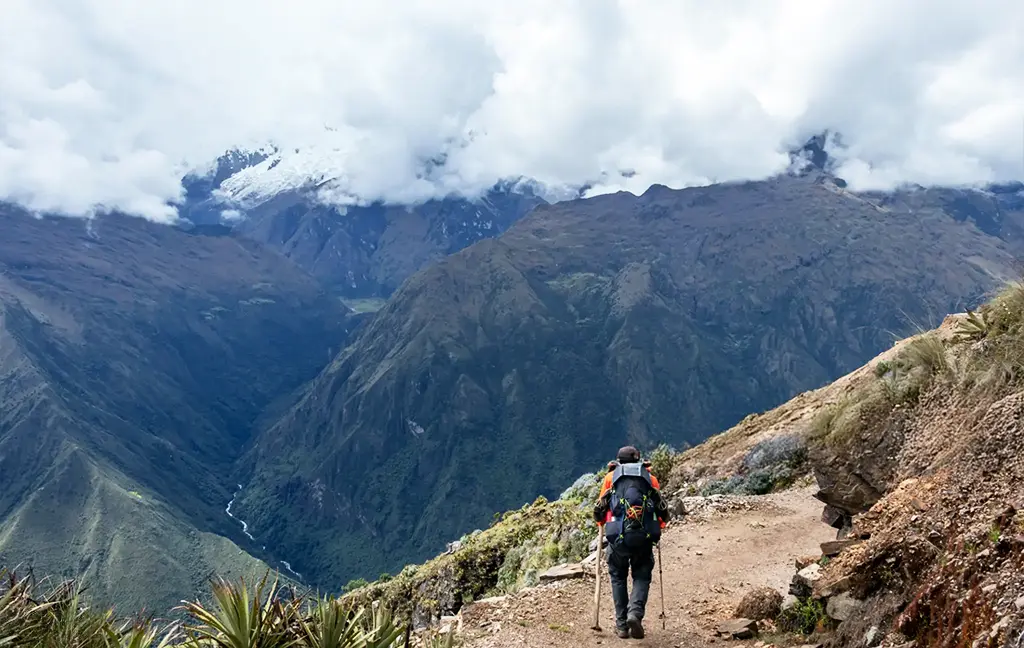
The best time to hike the Inca Trail is typically between May and September.
Key advantages include:
- Dry trails
- Clear mountain panoramas
- Comfortable hiking conditions
June through August are the busiest trekking months.
Travelers planning Inca Trail Treks to Machu Picchu should reserve permits months in advance due to limited daily availability.
Best Time for Peru’s Major Destinations
Sacred Valley
Best months:
- April
- May
- June
- September
- October
The Sacred Valley often enjoys slightly milder weather than Cusco.
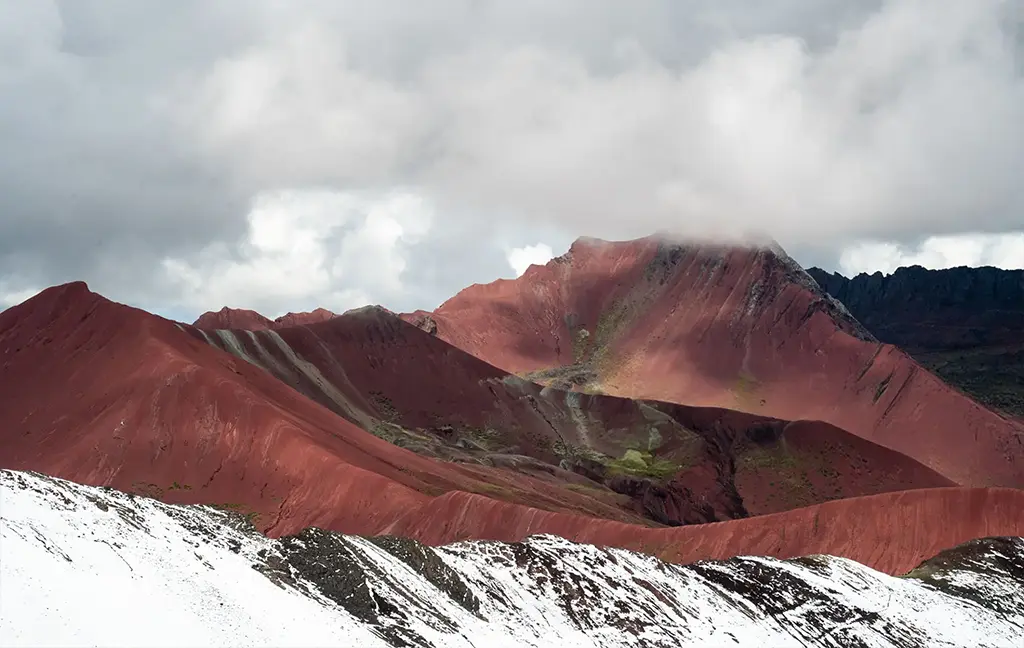
Rainbow Mountain
Best months:
- May through September
Clear weather significantly improves visibility of the mountain’s colorful mineral layers.
Lake Titicaca
Best months:
- May through October
Dry weather creates ideal conditions for island excursions and lake navigation.
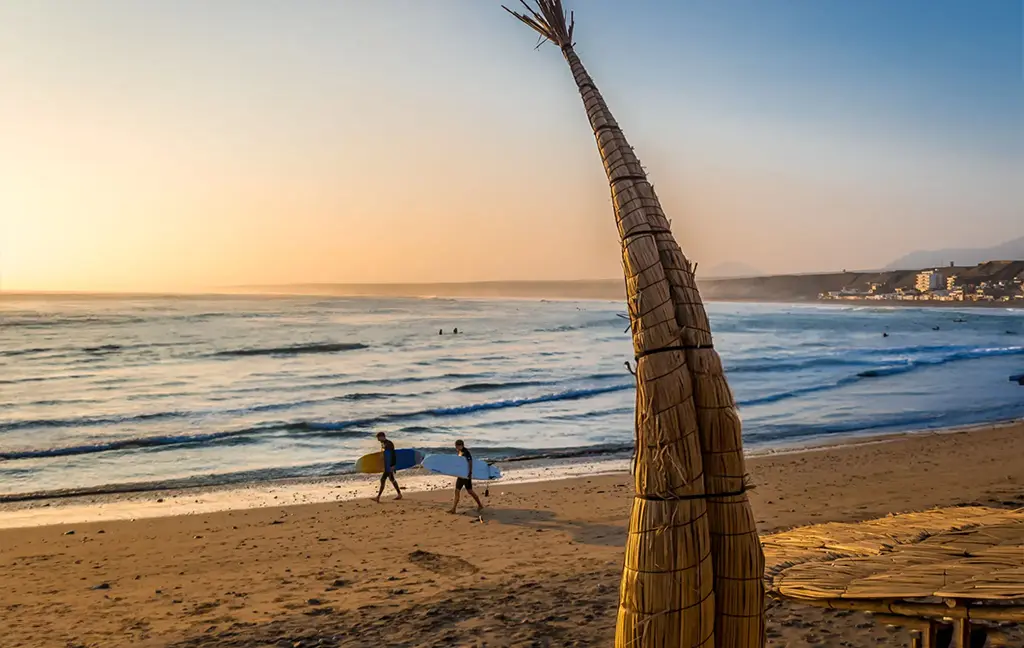
Lima
Best months:
- December through April
Summer brings sunshine and warmer temperatures.
Amazon Rainforest
Best time depends on priorities:
High-water season:
- Better river navigation
- Access to remote waterways
Low-water season:
- More hiking opportunities
- Different wildlife viewing experiences
Insider Insight: Mistakes Travelers Make When Choosing Travel Dates
Many first-time visitors focus exclusively on weather forecasts.
In reality, successful Peru trip planning requires balancing multiple factors:
Mistake 1: Prioritizing Peak Season Without Considering Crowds
July and August offer excellent weather, but major attractions become significantly busier.
A traveler visiting in May or September often enjoys a more relaxed experience with nearly identical conditions.
Mistake 2: Ignoring Altitude Adaptation
Many travelers schedule high-altitude activities immediately after arrival.
Instead, spend a few days in Cusco or the Sacred Valley before tackling challenging hikes.
Mistake 3: Waiting Too Long to Book
Peak-season permits for Machu Picchu and popular trekking routes can sell out well in advance.
Travelers planning a summer visit should secure transportation, accommodations, and tours early.
Mistake 4: Assuming Peru Has One Weather Pattern
The coast, Andes, and Amazon can experience entirely different conditions at the same time.
A well-designed itinerary considers regional climate differences rather than relying on national averages.
When Is the Best Time to Travel to Peru Based on Your Travel Style?
For First-Time Visitors
Choose:
- May
- June
- September
These months provide excellent weather and manageable crowds.
For Budget Travelers
Choose:
- March
- April
- October
- November
Prices are often more favorable while conditions remain attractive.
For Trekkers
Choose:
- May through September
This period offers the most reliable hiking conditions.
For Photographers
Choose:
- April
- May
- September
These months frequently combine dramatic landscapes with favorable light conditions.
For Luxury Travelers
Many premium Travel packages are available year-round, but shoulder seasons often deliver the best combination of exclusivity, comfort, and value.
Planning Logistics and Booking Timing
If you plan to plan a trip to Peru, timing your reservations can be just as important as choosing travel dates.
Consider booking:
- Machu Picchu tickets several months ahead
- Inca Trail permits as early as possible
- Peak-season accommodations well in advance
- Domestic flights before demand surges
Travelers visiting during June, July, and August should begin planning earlier than they might for other destinations.
Peru Travel Guide: Choosing the Right Month
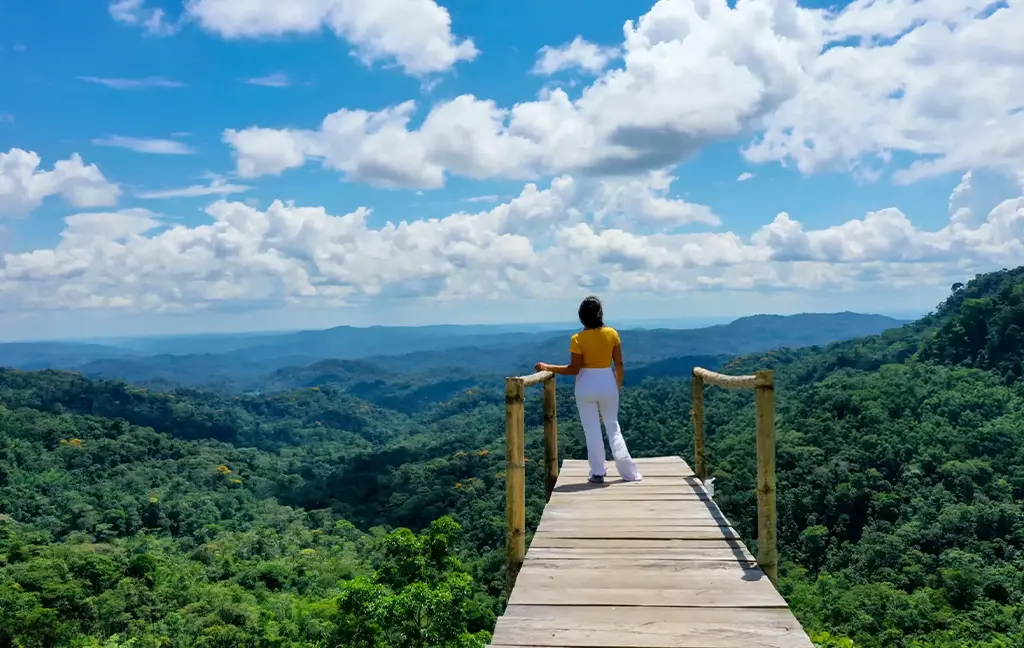
The answer depends on your priorities.
If weather is your primary concern, the dry season remains the safest choice.
If you want fewer crowds and excellent value, shoulder-season travel often provides the strongest overall experience.
If your focus is trekking, mountain scenery, and archaeological exploration, late April through September consistently delivers outstanding conditions.
A well-planned Peru travel guide should always align destination selection with seasonal realities rather than assuming every region performs equally throughout the year.
FAQ
What is the best month to visit Peru?
Many travelers consider May and September the best month to visit Peru because they combine excellent weather, moderate crowds, and strong overall travel conditions.
When is the rainy season in Peru?
The rainy season in Peru generally runs from November through March, especially across the Andes and Amazon regions.
Is July a good time to visit Peru?
Yes. July offers excellent weather, but it is also one of the busiest tourism months.
What is the best season for Machu Picchu?
The best season for Machu Picchu is the dry season from May through September.
Can I visit Peru during the rainy season?
Absolutely. Rainy-season travel can offer lush landscapes, fewer visitors, and attractive pricing.
When should I book Inca Trail permits?
For peak-season departures, booking several months in advance is strongly recommended.
Is September a good month to visit Peru?
Yes. September combines favorable weather, excellent trekking conditions, and lower visitor numbers than July or August.
Conclusion
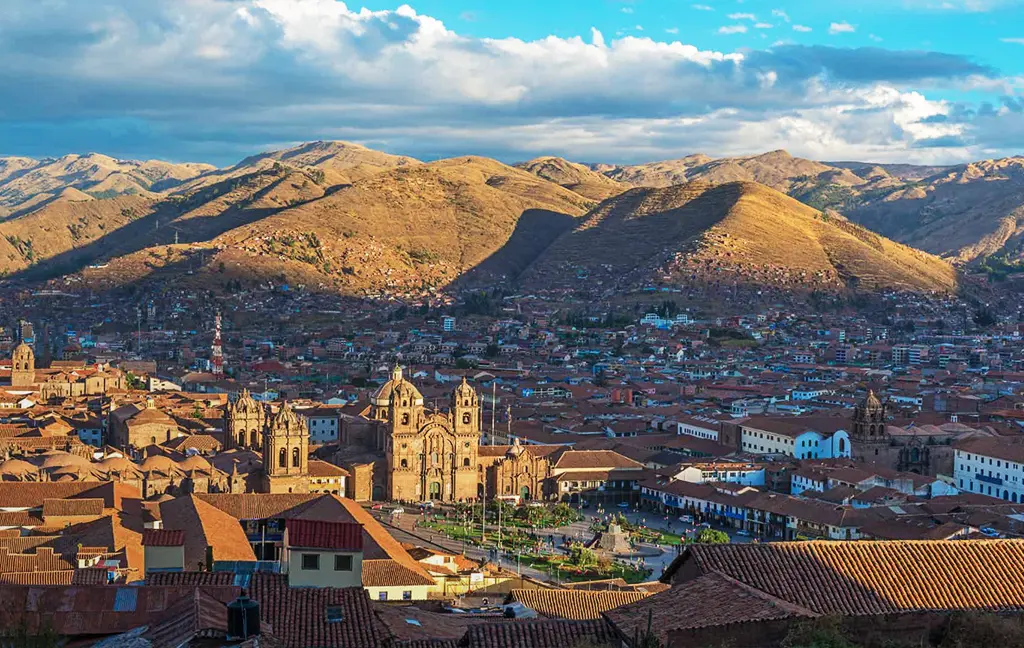
Peru is a destination where timing can significantly influence your experience. The country’s extraordinary diversity means there is no single perfect month for every traveler. Instead, the ideal travel window depends on your priorities, whether that means hiking ancient trails, exploring archaeological treasures, experiencing local culture, photographing dramatic landscapes, or enjoying a more relaxed journey with fewer crowds.
For most visitors, the dry season from May through September provides the most reliable weather conditions. Among these months, May and September often stand out for offering an excellent balance of clear skies, comfortable temperatures, and manageable visitor numbers. Travelers seeking the best trekking conditions, especially those planning to visit Machu Picchu or undertake multi-day hikes, will generally find this period the most rewarding.
At the same time, shoulder-season travel can unlock remarkable value, greater flexibility, and a more authentic connection with Peru’s destinations. Understanding regional weather differences between the coast, Andes, and Amazon allows you to build an itinerary that maximizes every stage of your journey.
Whether your dream itinerary includes the iconic citadel of Machu Picchu, the historic streets of Cusco, immersive cultural experiences, or adventure-filled excursions across the Andes and Amazon, choosing the right travel dates is the foundation of a successful trip. With thoughtful planning, realistic expectations, and the right itinerary, Peru delivers unforgettable experiences in every season.